The City Rises
Umberto Boccioni · 1910
From $85
Printed for you, as a giclée
Art Through Time · 1909 to 1944
Futurism was the Italian movement that, from 1909, set out to tear down the past and paint the modern world in motion: cars, trains, electric light, crowds, factories and speed. Its painters, led by Umberto Boccioni, broke figures into repeated lines and colliding planes so that a picture could show movement, noise and energy rather than a single still moment.
It was also a movement of violence. Its founder praised war, and many of its members marched into the First World War, which ended its first and best period.
Umberto Boccioni · 1910
From $85
Umberto Boccioni · 1913
From $70
Umberto Boccioni · 1911
From $70
Umberto Boccioni · 1911
From $80
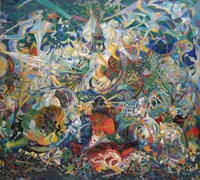
Joseph Stella · c. 1913
From $75
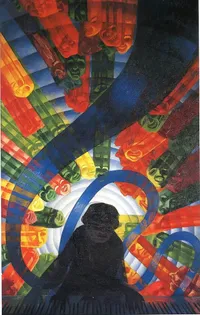
Luigi Russolo · 1911
From $90
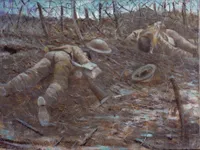
C. R. W. Nevinson · 1917
From $80
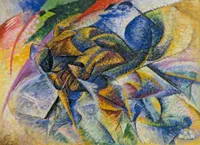
Umberto Boccioni · 1913
From $80
Futurism began on 20 February 1909, when the poet Filippo Tommaso Marinetti published its founding manifesto on the front page of Le Figaro in Paris. A roaring motor car, he wrote, is more beautiful than the Victory of Samothrace, the ancient statue in the Louvre. He called for museums and libraries to be destroyed, and praised war as the world's only hygiene. A year later, five painters in Milan signed the Manifesto of Futurist Painters: Umberto Boccioni, Carlo Carrà, Luigi Russolo, Giacomo Balla and Gino Severini.
In February 1912 their exhibition opened in Paris and toured London, Berlin and Brussels, and Futurism was suddenly known across Europe. The war brought it down. Boccioni died in 1916, thrown from a horse during cavalry training, and the architect Antonio Sant'Elia was killed in battle the same year. A second Futurism in the 1920s and 1930s grew close to Mussolini's Fascism.
Umberto Boccioni was its finest painter. The City Rises of 1910 shows workers and a giant red horse surging through a building site on the edge of Milan. His three States of Mind of 1911 paint the farewells, the leaving and the staying at a railway station, and in The Street Enters the House a woman on her balcony is overwhelmed by the noise and building of the street below. Luigi Russolo also wrote The Art of Noises in 1913 and built noise machines for concerts. Giacomo Balla's dog trotting on a leash, its legs a blur of many legs, and Gino Severini's dancers at a Paris nightclub are among the movement's best-known pictures.
Futurism spread fast. In Russia, poets and painters such as Vladimir Mayakovsky and Kazimir Malevich crossed it with Cubism into Cubo-Futurism. In England, C. R. W. Nevinson signed a Futurist manifesto with Marinetti in 1914, then painted the war as it was: in 1918 he showed Paths of Glory, two dead British soldiers face down in the mud, with a strip of brown paper across it reading Censored. In New York, the Italian-born Joseph Stella painted Battle of Lights, Coney Island as an explosion of electric light.
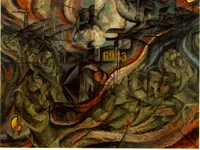
Umberto Boccioni · 1911
From $80
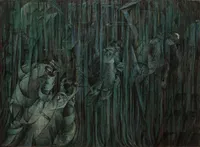
Umberto Boccioni · 1911
From $80
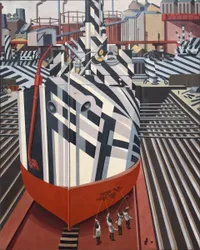
Edward Wadsworth · 1919
From $80
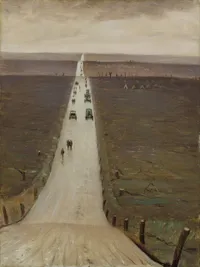
C. R. W. Nevinson · 1917
From $80
Its manifestos and its noise were copied by every movement that followed. In London, Wyndham Lewis answered it with Vorticism and its magazine BLAST in 1914; Edward Wadsworth, a Vorticist, went on to oversee the dazzle camouflage of British ships, as in Dazzle-ships in Drydock at Liverpool. Dada took its taste for provocation, Russian Constructivism its faith in the machine, and Art Deco its streamlined speed.
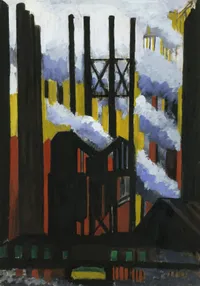
Joseph Stella · ca. 1919-1920
From $80
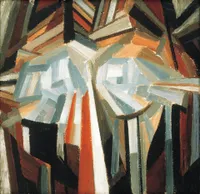
Alexander Bogomazov · c. 1914
From $70
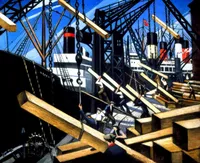
C. R. W. Nevinson · 1917
From $80
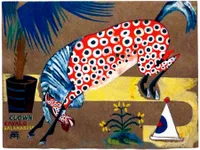
Amadeo de Souza Cardoso · c. 1911
From $80
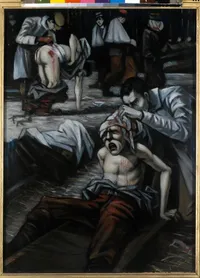
C. R. W. Nevinson · 1916
From $80
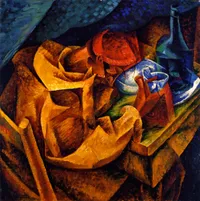
Umberto Boccioni · 1914
From $70
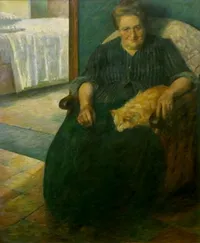
Umberto Boccioni · 1905
From $80
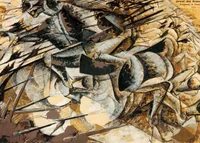
Umberto Boccioni · 1915
From $80
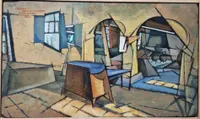
Amadeo de Souza Cardoso · 1913
From $90
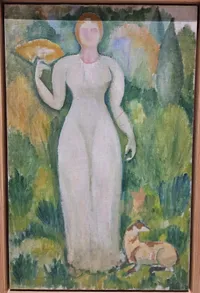
Amadeo de Souza Cardoso · 1910
From $85
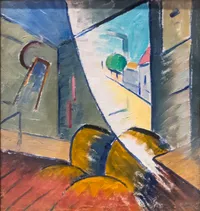
Alexander Bogomazov · c. 1913
From $70
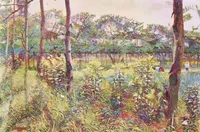
Umberto Boccioni · 1908
From $85
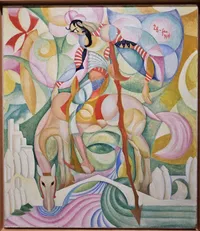
Amadeo de Souza Cardoso · 1914
From $75
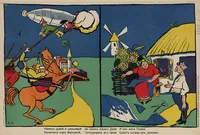
Vladimir Mayakovsky · 1914
From $85
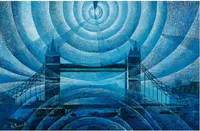
Luigi Russolo · 1929
From $85
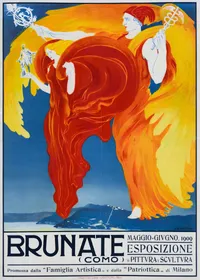
Umberto Boccioni · 1909
From $80
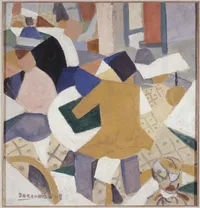
Rafael Barradas · 1918
From $70
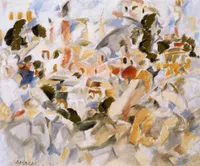
Rafael Barradas · 1919
From $80
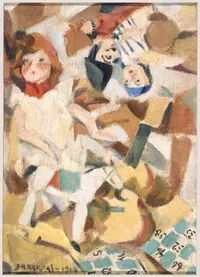
Rafael Barradas · 1919
From $80
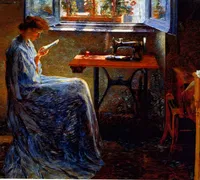
Umberto Boccioni · 1908
From $75
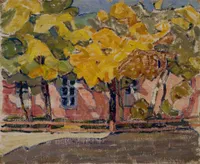
Alexander Bogomazov · 1912
From $80
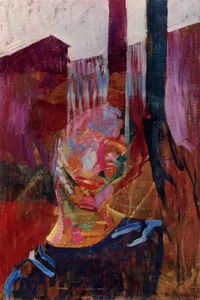
Umberto Boccioni · 1911
From $85

Joseph Stella · c. 1915
From $95
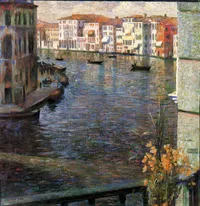
Umberto Boccioni · 1907
From $70
Before you explore
We use cookies for analytics, heatmaps and session recordings, so we can see what visitors love and keep making the gallery better. Anything you type stays private. You can change your choice at any time in our privacy policy.