Madonna Enthroned
Giotto · c. 1300
From $85
Printed for you, as a giclée
Art Through Time · AD 500 to 1450
Medieval art is the art of Europe's Middle Ages, the thousand years between the fall of the Roman Empire in the West, in 476, and the Renaissance: Gospel books painted in gold, mosaics, icons, stained glass and altarpieces.
Nearly all of it was made for the Church, to teach the faith and to honor God, and most of it is by artists whose names were never written down.
Giotto · c. 1300
From $85
Duccio di Buoninsegna · ca. 1290–1300
From $80
Giotto di Bondone · possibly ca. 1320
From $70
Gentile da Fabriano · 1423
From $75
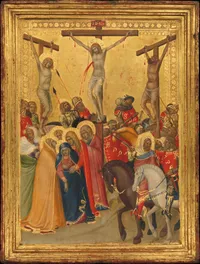
Pietro Lorenzetti · 1340s
From $80
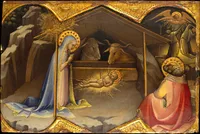
Lorenzo Monaco (Piero di Giovanni) · ca. 1406–10
From $85
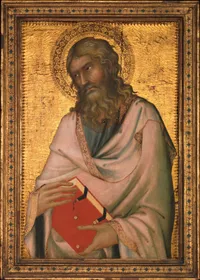
Simone Martini · ca. 1326
From $80
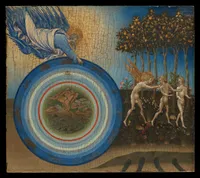
Giovanni di Paolo (Giovanni di Paolo di Grazia) · 1445
From $75
Medieval art runs from about 500 to the middle of the 1400s, in three long stages. The Early Middle Ages, about 500 to 1000, are the age of monastery books and Byzantine mosaic: the mosaics of San Vitale in Ravenna, finished in the 540s, and the Book of Kells, made in Ireland around 800. The Romanesque, about 1000 to 1150, built thick-walled churches and covered them with carved and painted saints. Gothic art, from about 1150, raised cathedrals of glass and, in Italy, painted the first great altarpieces on wood.
It ends at different times in different places: in Florence with Masaccio in the 1420s, in Siena and much of the north not until the late 1400s.
Medieval painters could draw what they saw; they chose not to. A holy image was meant to point beyond this world, so gold replaced the sky and the figures became timeless. Around the year 600, Pope Gregory the Great wrote that pictures do for those who cannot read what writing does for those who can, and for centuries church walls were the Bible of most Christians.
The Byzantine Empire, which kept the eastern half of Rome alive until 1453, set the pattern for the holy image: the icon, painted to a fixed design so that each copy carries the presence of the original. Italian painters learned from Byzantine icons until Cimabue and Giotto, around 1300, began to give those figures weight and feeling.
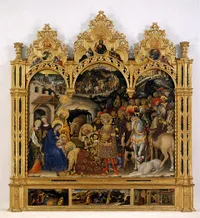
Gentile da Fabriano · 1423
From $75
Giovanni di Paolo (Giovanni di Paolo di Grazia) · 1445
From $75
Lorenzo Monaco (Piero di Giovanni) · ca. 1406–10
From $85
Pietro Lorenzetti · 1340s
From $80
The Renaissance. In Florence in the 1420s, Masaccio painted figures that stand in real space and cast real shadows, and the gold background began to give way to a window onto the world.
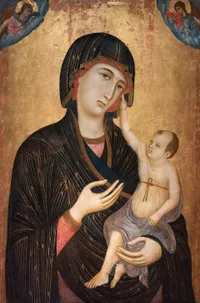
Duccio di Buoninsegna · 1283
From $85
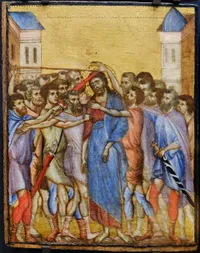
Cimabue · 1280
From $80
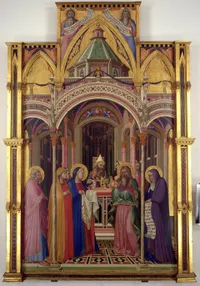
Ambrogio Lorenzetti · 1342
From $80
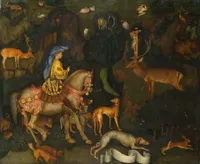
Pisanello · Undated (1395–1455)
From $80
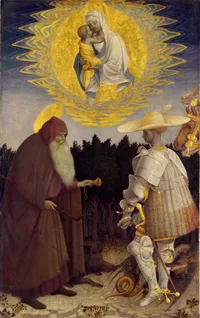
Pisanello · Undated (1395–1455)
From $90
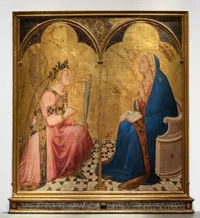
Ambrogio Lorenzetti · 1344
From $75
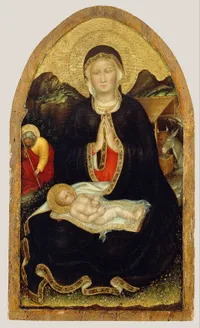
Gentile da Fabriano · 1420
From $90
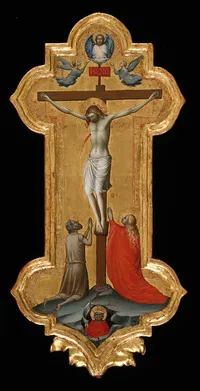
Lorenzo Monaco · 1392–95
From $100
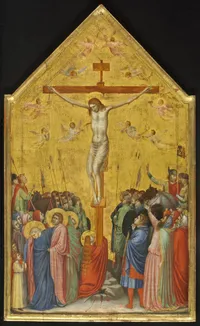
Giotto · c. 1317
From $90
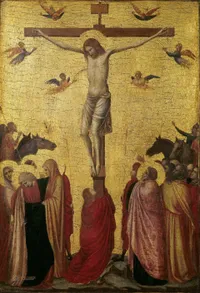
Giotto · 1315
From $85
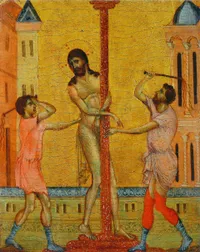
Cimabue · 1280
From $80
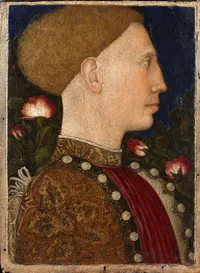
Pisanello · 1441
From $80
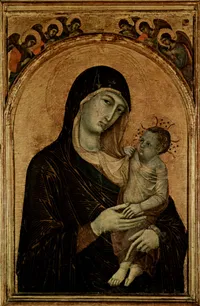
Duccio di Buoninsegna · c. 1300
From $85
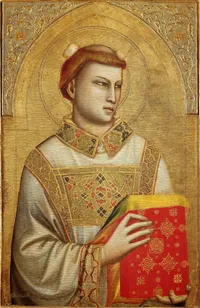
Giotto · 1320
From $85
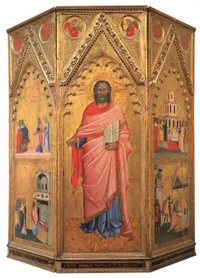
Jacopo di Cione · 1367
From $80
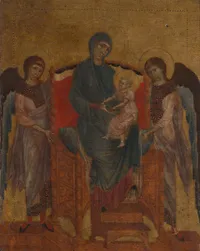
Cimabue · c. 1280
From $80
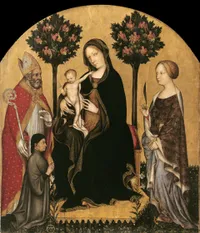
Gentile da Fabriano · 1395
From $75
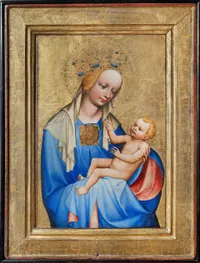
Master of the Třeboň Altarpiece · Undated (1400–1350)
From $80
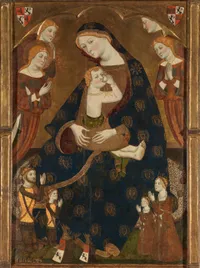
Jaume Serra · Undated (1400–1405)
From $80
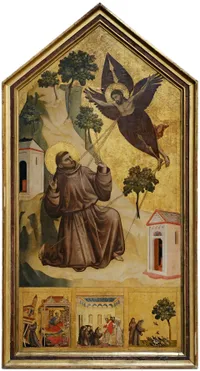
Giotto · c. 1297
From $95
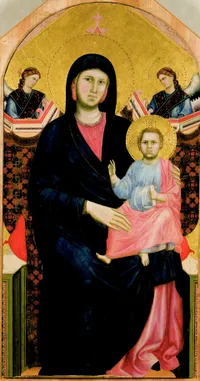
Giotto · 1295
From $95
Hubert van Eyck · Undated (1366–1426)
From $95
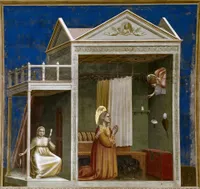
Giotto · c. 1300
From $70
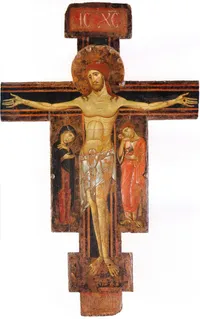
Berlinghiero Berlinghieri · c. 1230
From $90
Before you explore
We use cookies for analytics, heatmaps and session recordings, so we can see what visitors love and keep making the gallery better. Anything you type stays private. You can change your choice at any time in our privacy policy.