Madonna Enthroned
Giotto · c. 1300
From $85
Printed for you, as a giclée
Art Through Time · 1140 to 1400
Gothic art is the art of Europe's great cathedral age, from about 1140 to 1400: soaring churches of stained glass, graceful swaying figures, altarpieces on grounds of gold, and, at its end, the first painters who made holy figures look like living people.
It began in France, with Abbot Suger's rebuilding of the abbey church of Saint-Denis, north of Paris, in the 1140s, and reached its height in painting in Italy, with Giotto in Florence and Duccio in Siena.
Giotto · c. 1300
From $85
Duccio di Buoninsegna · 1285
From $90
Giotto di Bondone · possibly ca. 1320
From $70
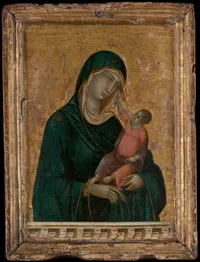
Duccio di Buoninsegna · ca. 1290–1300
From $80
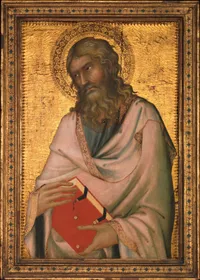
Simone Martini · ca. 1326
From $80
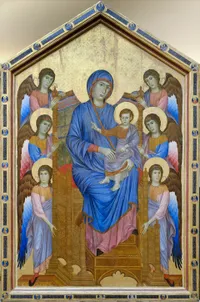
Cimabue · Undated (1240–1302)
From $85
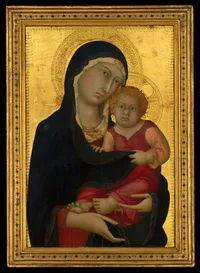
Simone Martini · ca. 1326
From $80
Gothic architecture begins in the 1140s; its choir at Saint-Denis was consecrated in 1144. Gothic painting follows from about 1200, in stained glass and illuminated manuscripts, and on wooden panels in Italy later in the century. Around 1400 it gives way, first to the courtly International Gothic, then to the Renaissance in Florence and to the new oil painting of Flanders.
The name was an insult. Renaissance writers called the style Gothic, after the Goths who had sacked Rome, to mean barbarous, the opposite of the classical art they admired.
In Florence, Cimabue began to soften the stiff Byzantine manner the Italians called the Greek style, and Giotto broke with it. Giotto's frescoes in the Arena Chapel in Padua, finished about 1305, show people who grieve, kiss and argue in spaces deep enough to stand in. His Madonna Enthroned gives the Virgin a body under her robe.
In Siena, Duccio painted the Maestà, an altarpiece so large and so admired that the city carried it in procession to the cathedral in 1311. Simone Martini and the brothers Pietro and Ambrogio Lorenzetti carried Sienese grace and color on into the 1340s; Ambrogio's Allegory of Good Government, painted in the city hall in 1338 and 1339, is one of the first great paintings of a city and its countryside. The Black Death of 1348 struck both Florence and Siena hard and ended that generation.
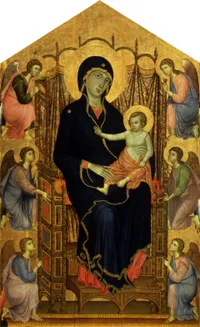
Duccio di Buoninsegna · 1285
From $90
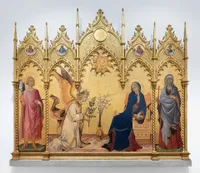
Lippo Memmi · 1333
From $75
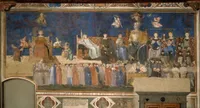
Ambrogio Lorenzetti · Undated (1290–1348)
From $95
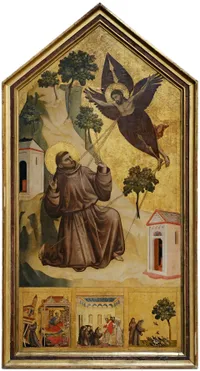
Giotto · c. 1297
From $95
Around 1400 the courts of Paris, Prague and Milan wanted elegance and precious detail: International Gothic. Within a generation, Masaccio in Florence and Jan van Eyck in Flanders had begun the Renaissance and the Northern Renaissance.
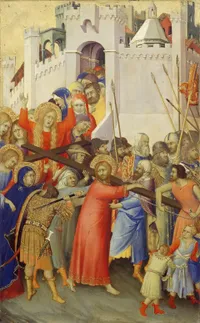
Simone Martini · 1335
From $90
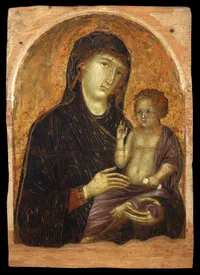
Duccio di Buoninsegna · Undated (1255–1319)
From $80
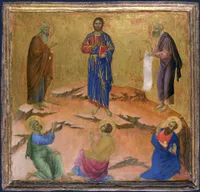
Duccio di Buoninsegna · c. 1300
From $70

Giotto · Undated (1276–1337)
From $70
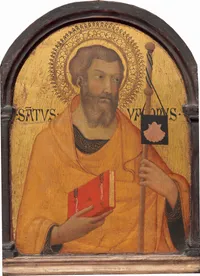
Simone Martini · c. 1315/1320
From $80
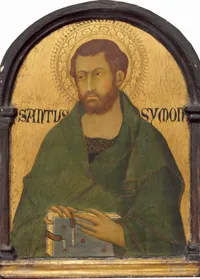
Simone Martini · c. 1315/1320
From $80
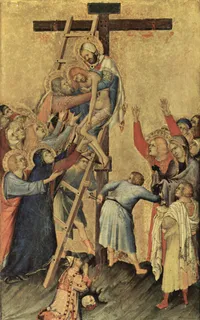
Simone Martini · 1333
From $90
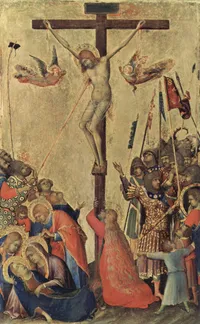
Simone Martini · Undated (1284–1344)
From $90
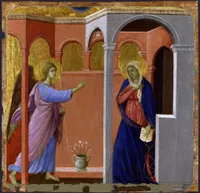
Duccio di Buoninsegna · c. 1300
From $70
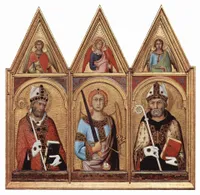
Simone Martini · 1319
From $70
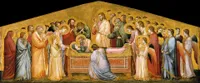
Giotto · 1310
From $110
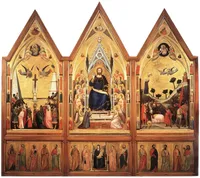
Giotto · 1320
From $75
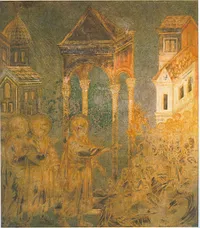
Cimabue · 1277
From $75
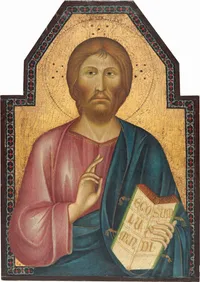
Grifo di Tancredi · c. 1310
From $80
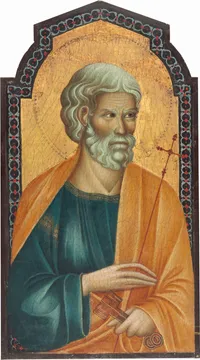
Grifo di Tancredi · c. 1310
From $95
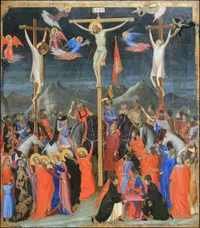
Giotto · c. 1330
From $75
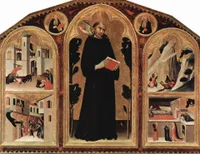
Simone Martini · 1328
From $80
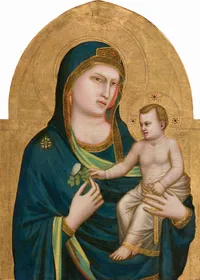
Giotto · c. 1310/1315
From $80
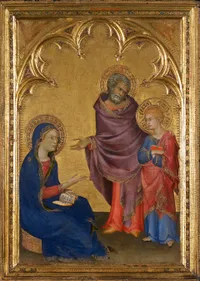
Simone Martini · 1342
From $80
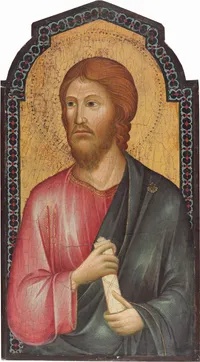
Grifo di Tancredi · c. 1310
From $95
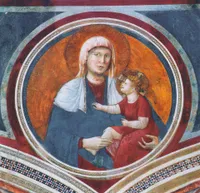
Giotto · 1291
From $70
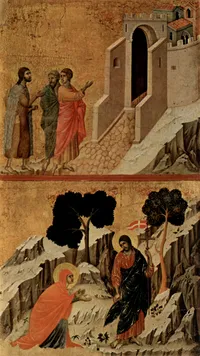
Duccio di Buoninsegna · 1309
From $95
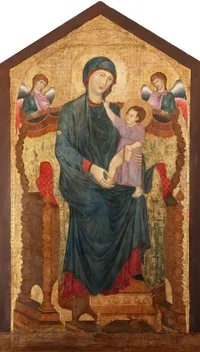
Cimabue · 1280
From $95
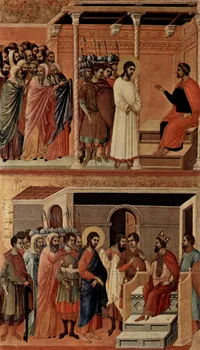
Duccio di Buoninsegna · 1309
From $95
Before you explore
We use cookies for analytics, heatmaps and session recordings, so we can see what visitors love and keep making the gallery better. Anything you type stays private. You can change your choice at any time in our privacy policy.