Madonna with the Long Neck
Parmigianino · Undated (1503–1540)
From $90
Printed for you, as a giclée
Art Through Time · 1520 to 1600
Mannerism is the style of the late Renaissance, from about 1520, after Raphael's death, to about 1600: elongated figures, twisting poses, cool and strange colors, and crowded, unstable spaces. Where the High Renaissance sought balance, the Mannerists sought elegance, surprise and tension.
Its painters were Pontormo, Rosso Fiorentino, Parmigianino and Bronzino in Florence and Parma, Giulio Romano in Mantua, and, at the end, El Greco in Toledo.
Parmigianino · Undated (1503–1540)
From $90
Pontormo · 1525
From $90
Bronzino · c. 1544
From $80
Giuseppe Arcimboldo · 1591
From $80
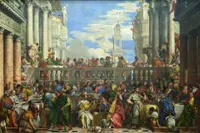
Paolo Veronese · c. 1562
From $85
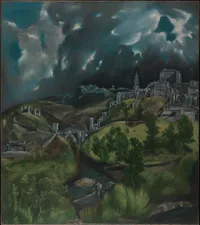
El Greco (Domenikos Theotokopoulos) · ca. 1599–1600
From $75
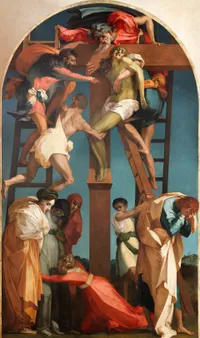
Rosso Fiorentino · 1521
From $95
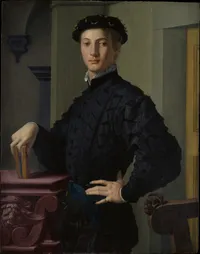
Bronzino (Agnolo di Cosimo di Mariano) · 1530s
From $80
Mannerism begins in the years after 1520, when Raphael died and Michelangelo was still at work, and younger painters felt there was nothing left to perfect. The Sack of Rome in 1527 scattered the artists of the papal court to Mantua, Genoa, Venice and France. The style lasted until the 1590s, when the Carracci in Bologna and Caravaggio in Rome turned back to nature and began the Baroque.
The name comes from maniera, style, a word Giorgio Vasari used in praise: a painter with maniera had grace and polish. Later critics turned it into a charge of artificiality, and only in the twentieth century did it become the name of a period.
Mannerism was a court style. In Florence, Duke Cosimo I de' Medici made Bronzino his portraitist. In France, King Francis I brought Rosso Fiorentino and Primaticcio to decorate his palace at Fontainebleau in the 1530s, and their elegant nudes and stucco frames became the School of Fontainebleau. In Prague, the Emperor Rudolf II collected strange and learned art, and Arcimboldo painted him as Vertumnus, the Roman god of the seasons, his face made of fruit, flowers and vegetables.
Its last great painter came from Crete. Domenikos Theotokopoulos, El Greco, trained as an icon painter, studied Titian in Venice and Michelangelo in Rome, and settled in Toledo in 1577, where he stretched his saints into flames of color, as in The Burial of the Count of Orgaz.
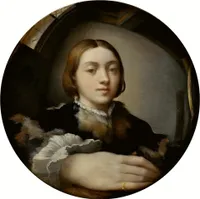
Parmigianino · c. 1523
From $70
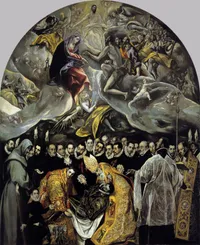
El Greco · 1586
From $80
El Greco (Domenikos Theotokopoulos) · ca. 1599–1600
From $75
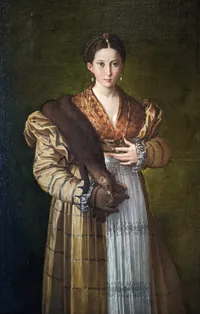
Parmigianino · 1535
From $90
In the 1590s, the Carracci family's academy in Bologna and, in Rome, Caravaggio rejected its artifice for real bodies, real light and clear stories, and the Baroque began.
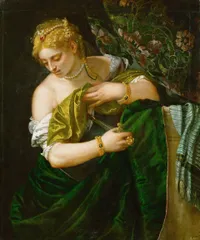
Paolo Veronese · c. 1580
From $80
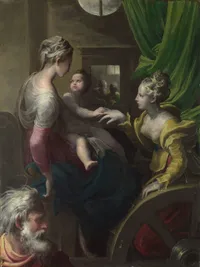
Parmigianino · Undated (1503–1540)
From $80
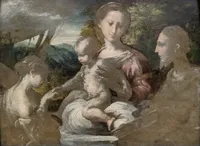
Parmigianino · c. 1528
From $80
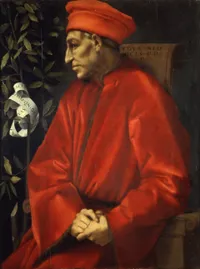
Pontormo · c. 1510
From $80
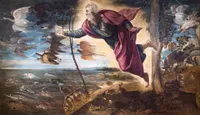
Jacopo Tintoretto · 1550
From $95
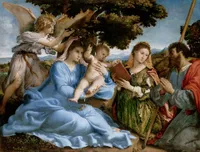
Lorenzo Lotto · Undated (1480–1556)
From $80

Paolo Veronese · 1560
From $95
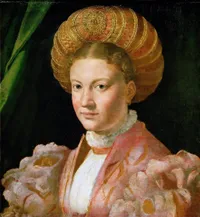
Parmigianino · 1530
From $75
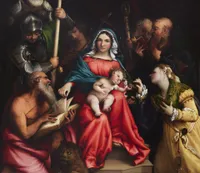
Lorenzo Lotto · 1524
From $75
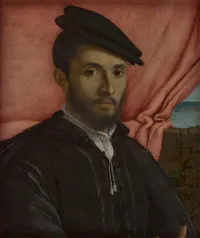
Lorenzo Lotto · Undated (1480–1556)
From $80
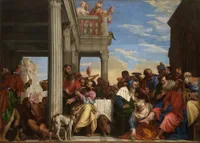
Paolo Veronese · c. 1550
From $80
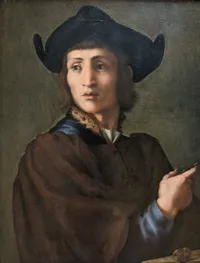
Pontormo · 1517
From $80
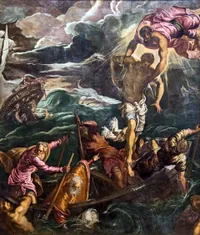
Jacopo Tintoretto · c. 1562
From $75
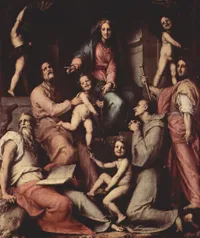
Pontormo · 1518
From $80
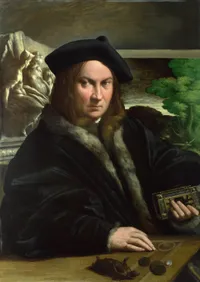
Parmigianino · c. 1524
From $80
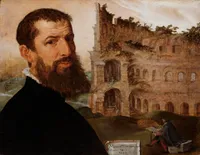
Maarten van Heemskerck · 1553
From $80
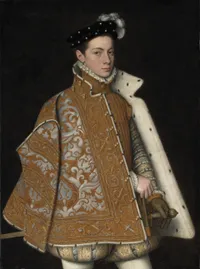
Sofonisba Anguissola · 1560
From $80
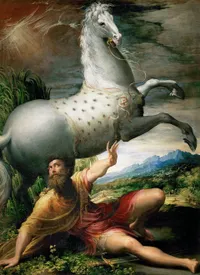
Parmigianino · 1527
From $80
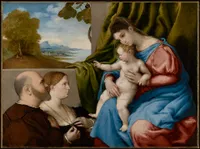
Lorenzo Lotto · Undated (1480–1556)
From $80
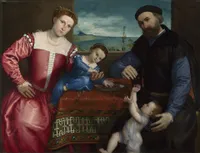
Lorenzo Lotto · 1547
From $80
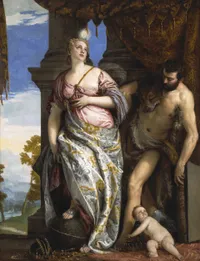
Paolo Veronese · 1565
From $80
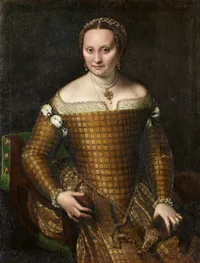
Sofonisba Anguissola · 1557
From $80
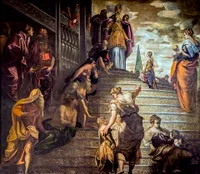
Jacopo Tintoretto · 1553
From $75
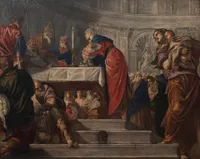
Jacopo Tintoretto · c. 1550
From $80
Before you explore
We use cookies for analytics, heatmaps and session recordings, so we can see what visitors love and keep making the gallery better. Anything you type stays private. You can change your choice at any time in our privacy policy.