The Calling of Saint Matthew
Caravaggio · 1609
From $70
Printed for you, as a giclée
Art Through Time · 1600 to 1750
Baroque art is the dramatic style that began in Rome around 1600 and led European painting until about 1750: strong light against deep shadow, bodies in motion, and scenes caught at their most intense moment. Caravaggio, Peter Paul Rubens, Rembrandt and Diego Velázquez are its great names.
It was an art made to move people. The Catholic Church, after the Council of Trent, wanted pictures that would stir the faithful, and kings wanted pictures that would show their power.
Caravaggio · 1609
From $70
Rembrandt · 1642
From $80
Diego Velázquez · 1656
From $75
Artemisia Gentileschi · 1613
From $80
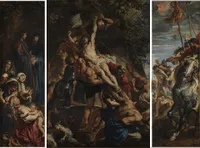
Peter Paul Rubens · 1609
From $80
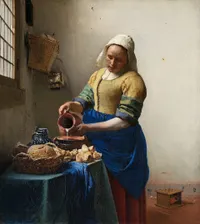
Johannes Vermeer · 1660
From $75
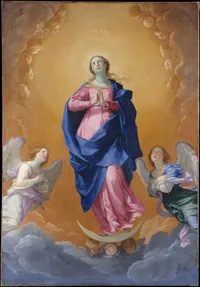
Guido Reni · 1627
From $80
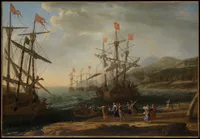
Claude Lorrain (Claude Gellée) · ca. 1643
From $85
Baroque painting begins around 1600 in Rome, with Caravaggio's canvases of the life of Saint Matthew for the church of San Luigi dei Francesi, painted in 1599 and 1600, and Annibale Carracci's ceiling for the Palazzo Farnese. It lasts until about 1750, when the lighter Rococo had taken over in France.
The same years are the Dutch Golden Age, when Rembrandt, Frans Hals and Johannes Vermeer painted for the merchants of a Protestant republic: part of the Baroque in time, and a world of its own in subject.
In Rome, Caravaggio and his followers, the Caravaggisti, worked beside the Bolognese painters around Annibale Carracci, Guido Reni and Guercino. In Antwerp, Rubens ran a studio that sent altarpieces, hunts and mythologies to half the courts of Europe, and trained Anthony van Dyck. In Spain, Velázquez painted the court of Philip IV, and in Las Meninas put himself in the picture, brush in hand.
In the Dutch Republic, Rembrandt's The Night Watch of 1642 turned a group portrait of a militia company into a scene of action, and Vermeer painted The Milkmaid pouring milk in a still room. In France, Nicolas Poussin and Claude Lorrain chose a calmer, classical Baroque, painting ideal landscapes of the countryside around Rome.
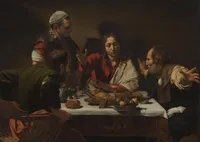
Caravaggio · 1601
From $80
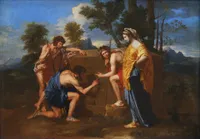
Nicolas Poussin · 1638
From $80
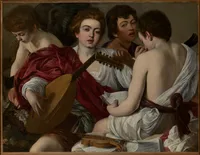
Caravaggio (Michelangelo Merisi) · 1597
From $80
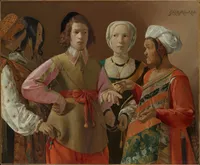
Georges de La Tour · probably 1630s
From $80
In France, after the death of Louis XIV in 1715, painters traded grandeur for charm and pastel color: the Rococo. By the 1780s Neoclassicism had brought back clear outlines and the stern stories of Greece and Rome.
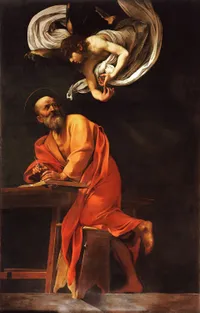
Caravaggio · 1602
From $90
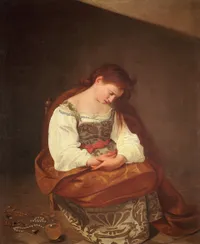
Caravaggio · 1593
From $80
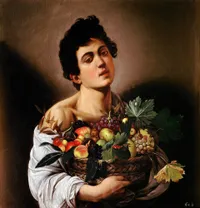
Caravaggio · c. 1594
From $70
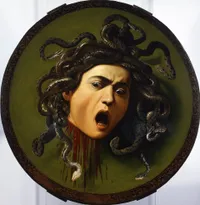
Caravaggio · 1597
From $70
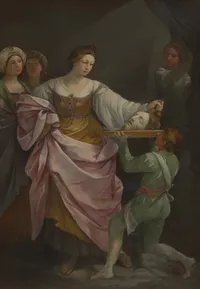
Guido Reni · c. 1639–42
From $85
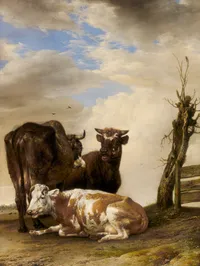
Paulus Potter · 1647
From $80
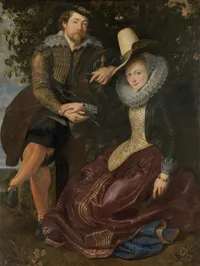
Peter Paul Rubens · c. 1609
From $80
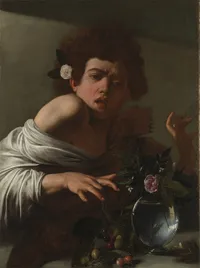
Caravaggio · c. 1594
From $80
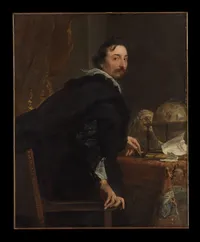
Anthony van Dyck · ca. 1622
From $80
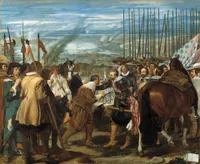
Diego Velázquez · 1634
From $80
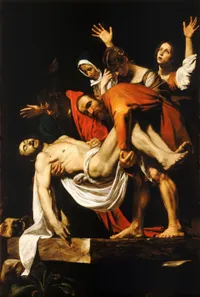
Caravaggio · 1600
From $85
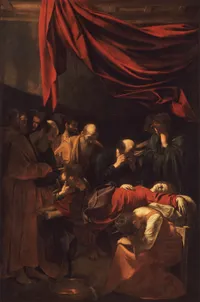
Caravaggio · c. 1603
From $85
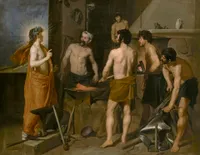
Diego Velázquez · 1630
From $80
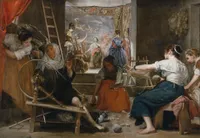
Diego Velázquez · Undated (1599–1660)
From $85
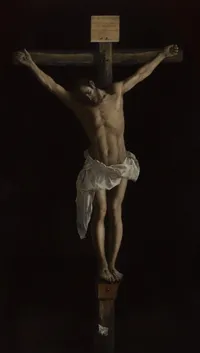
Francisco de Zurbarán · 1627
From $95
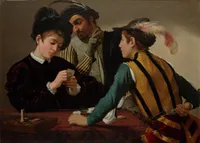
Caravaggio · c. 1596
From $80
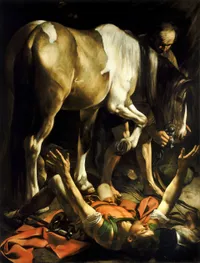
Caravaggio · c. 1600
From $80
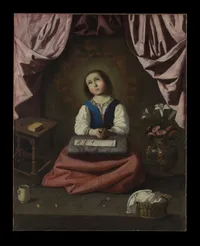
Francisco de Zurbarán · ca. 1632–33
From $80
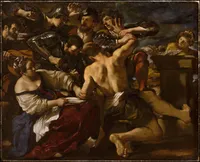
Guercino (Giovanni Francesco Barbieri) · 1619
From $80
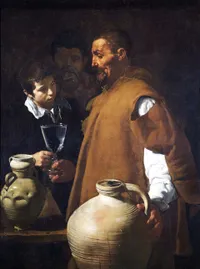
Diego Velázquez · 1618
From $80
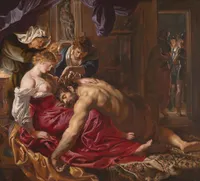
Peter Paul Rubens · c. 1609
From $75

Caravaggio · 1607
From $80
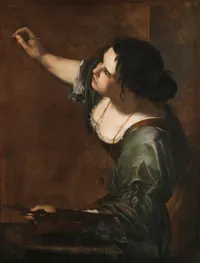
Artemisia Gentileschi · 1630
From $80
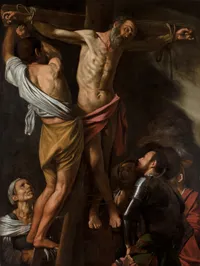
Caravaggio · 1606–7
From $80
Before you explore
We use cookies for analytics, heatmaps and session recordings, so we can see what visitors love and keep making the gallery better. Anything you type stays private. You can change your choice at any time in our privacy policy.