The Gleaners
Jean-François Millet · 1857
From $80
Printed for you, as a giclée
Art Through Time · 1848 to 1900
Realism was the movement that, from about 1848, turned painting toward ordinary life as it really was: peasants, laborers, village funerals and city crowds, painted at full size and without flattery. It began in France with Gustave Courbet, Jean-François Millet and Honoré Daumier, and every country soon had its own realists.
Courbet put it plainly. He would not paint angels, he said, because he had never seen one.
Jean-François Millet · 1857
From $80
Gustave Courbet · Undated (1819–1877)
From $105
Thomas Eakins · 1875
From $80
Ilya Repin · 1870
From $105
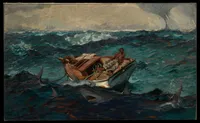
Winslow Homer · 1899; reworked by 1906
From $90

Jean-François Millet · 1858
From $80
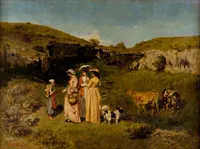
Gustave Courbet · 1851–52
From $80
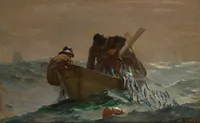
Winslow Homer · 1885
From $90
Realism begins around 1848, the year revolutions swept Europe. At the Salon of 1850 to 1851, Courbet showed The Stonebreakers and A Burial at Ornans, a country funeral painted as large as a battle. When the jury of the 1855 World's Fair turned down two of his paintings, he built his own pavilion beside it and called it the Pavilion of Realism.
It lasted until about 1900. In Russia, the Wanderers left the Academy in 1870 to show real life across the empire; in the United States, Winslow Homer and Thomas Eakins painted the sea, rowers and surgeons into the 1890s.
In France, Rosa Bonheur studied horses at the Paris horse market for her The Horse Fair, with police permission to wear trousers while she worked. Millet painted the peasants of Barbizon at prayer in The Angelus.
In Russia, Ilya Repin painted Barge Haulers on the Volga, men harnessed like animals to drag a ship upriver. In the United States, Thomas Eakins painted his friends rowing on the Schuylkill River, as in The Biglin Brothers Turning the Stake, and an operation in progress in The Gross Clinic, so frank that the 1876 Centennial Exhibition hung it in its medical section, not with the art.
Jean-François Millet · 1858
From $80
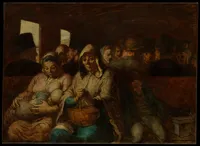
Honoré Daumier · 1864
From $80
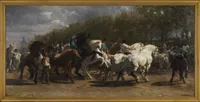
Rosa Bonheur · 1852–55
From $100
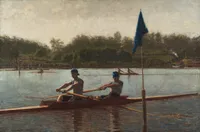
Thomas Eakins · 1873
From $85
Its younger admirers kept the modern subjects and lightened the palette. Painting outdoors in quick strokes, Monet, Renoir and Pissarro made Impressionism; in the Salon, Jules Bastien-Lepage and others carried Realism toward the near-photographic Naturalism of the 1880s.
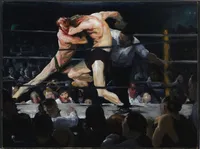
George Bellows · 1909
From $80
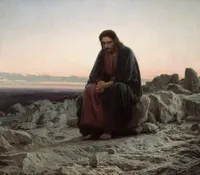
Ivan Kramskoi · 1872
From $75
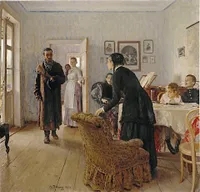
Ilya Repin · 1888
From $70
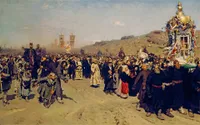
Ilya Repin · 1880
From $90
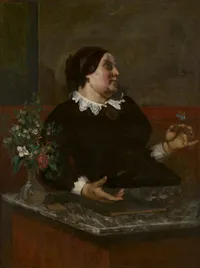
Gustave Courbet · 1855, reworked 1857–59
From $80
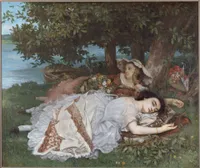
Gustave Courbet · 1857
From $80
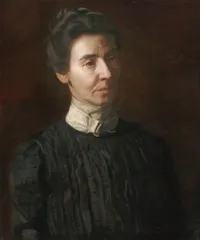
Thomas Eakins · 1899
From $80
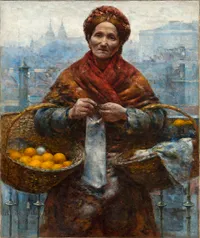
Aleksander Gierymski · c. 1880
From $80
Théodore Rousseau · ca. 1846–67
From $90
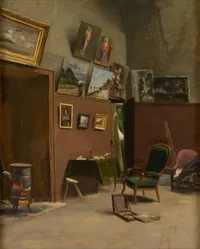
Frédéric Bazille · 1866
From $80
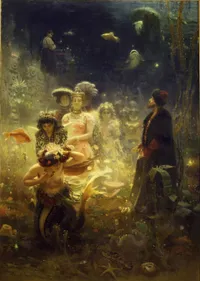
Ilya Repin · 1876
From $80
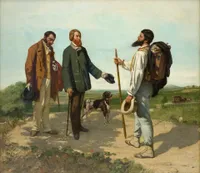
Gustave Courbet · 1854
From $75
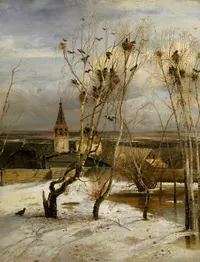
Alexei Savrasov · 1871
From $80
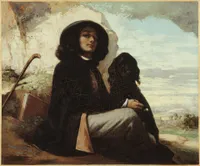
Gustave Courbet · c. 1842
From $80
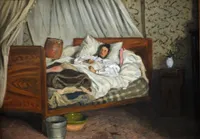
Frédéric Bazille · 1865
From $80
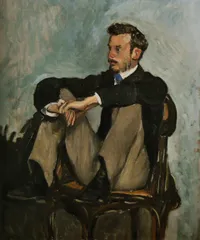
Frédéric Bazille · 1867
From $80

Francisco Pradilla y Ortiz · 1877
From $85
Frédéric Bazille · 1870
From $85
Rosa Bonheur · 1849
From $100
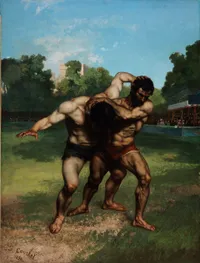
Gustave Courbet · 1853
From $80
Eastman Johnson · 1876
From $100
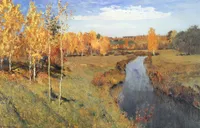
Isaac Levitan · 1895
From $85
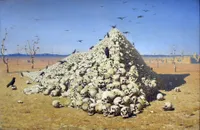
Vasily Vereshchagin · 1871
From $85
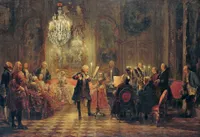
Adolph von Menzel · 1852
From $85
Before you explore
We use cookies for analytics, heatmaps and session recordings, so we can see what visitors love and keep making the gallery better. Anything you type stays private. You can change your choice at any time in our privacy policy.