Wanderer above the Sea of Fog
Caspar David Friedrich · 1818
From $80
Printed for you, as a giclée
Art Through Time · 1790 to 1850
Romanticism was the movement that, from the 1790s to about 1850, put feeling before reason: storms, shipwrecks, ruins, revolutions and lone figures before vast nature. Its painters were Caspar David Friedrich in Germany, J. M. W. Turner and John Constable in England, Francisco Goya in Spain, and Théodore Géricault and Eugène Delacroix in France.
It was less a single style than a mood. Where Neoclassicism prized clear outlines and civic virtue, the Romantics looked for the sublime: the awe, close to fear, of things too large to take in.
Caspar David Friedrich · 1818
From $80
Théodore Géricault · 1819
From $85
Eugène Delacroix · 1830
From $80
John Constable · 1821
From $85

Ivan Aivazovsky · 1850
From $85
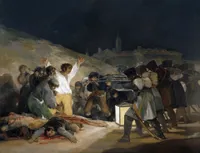
Francisco Goya · 1814
From $80
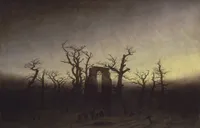
Caspar David Friedrich · c. 1809
From $85
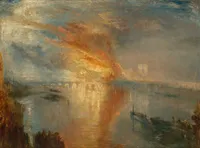
Joseph Mallord William Turner · 1835
From $80
Romantic painting runs from the 1790s, when Goya, Henry Fuseli and William Blake were at work and the young Turner first showed at the Royal Academy, to about 1850, when Realism turned painters toward ordinary life. Its great moment in France was the Salon of 1819, where Géricault showed The Raft of the Medusa, a shipwreck from the news, painted at the size of a history painting.
Its feeling outlived it. In America the Hudson River School painted the wilderness as a promised land into the 1870s, and in Russia Ivan Aivazovsky painted Romantic seas for the rest of the century.
In Germany, Friedrich painted from Dresden: lone figures seen from behind, looking out at the sea, the moon or the mountains, so that the viewer looks with them. In England, Turner dissolved ships and trains into light and weather, and Constable painted the fields of his native Suffolk, with skies he studied like a scientist; The Hay Wain won a gold medal in Paris in 1824.
In France, Géricault and Delacroix made the Salon a battleground: Delacroix's Liberty Leading the People honors the July Revolution of 1830. In Spain, Goya painted The Third of May 1808 in 1814, six years after French soldiers shot the people of Madrid. In Russia, Karl Bryullov's The Last Day of Pompeii made him famous across Europe.
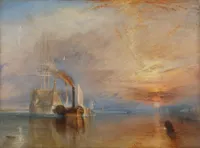
J. M. W. Turner · 1839
From $80
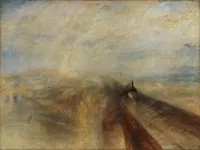
J. M. W. Turner · 1844
From $80
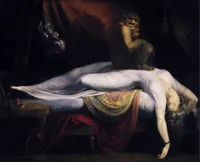
Henry Fuseli · 1781
From $80
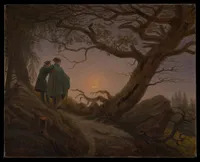
Caspar David Friedrich · ca. 1825–30
From $80
Around 1848, Gustave Courbet and Jean-François Millet turned from storms and heroes to stonebreakers, peasants and village funerals: Realism. In England the same year, the young Pre-Raphaelites carried the Romantic love of legend into sharp, bright detail.
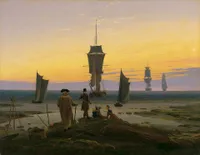
Caspar David Friedrich · 1834
From $80
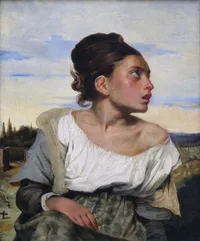
Eugène Delacroix · 1824
From $80
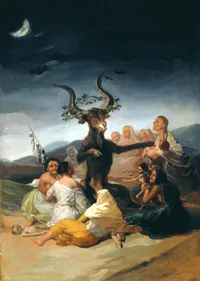
Francisco Goya · 1798
From $80
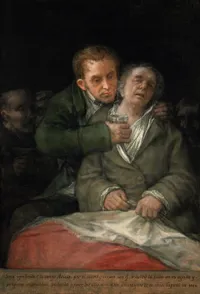
Francisco Goya · 1820
From $85
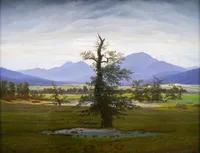
Caspar David Friedrich · 1822
From $80
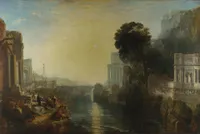
J. M. W. Turner · 1815
From $85
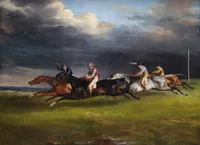
Théodore Géricault · 1821
From $80

Francisco Goya · c. 1777
From $85
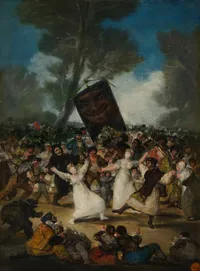
Francisco Goya · 1814
From $80
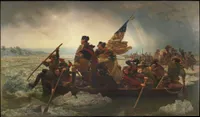
Emanuel Leutze · 1851
From $95

Caspar David Friedrich · 1820
From $80
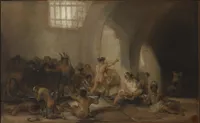
Francisco Goya · 1814
From $90
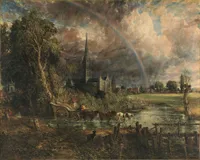
John Constable · 1831
From $80
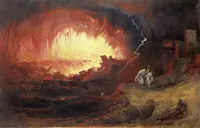
John Martin · 1852
From $90
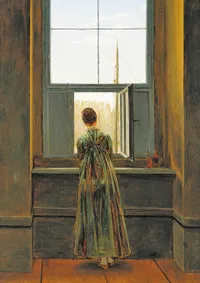
Caspar David Friedrich · 1822
From $80
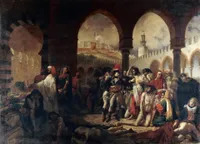
Antoine-Jean Gros · 1804
From $80
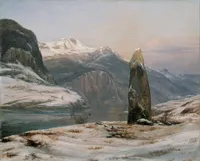
Johan Christian Dahl · 1827
From $80
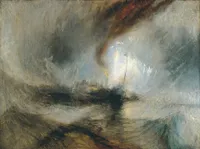
J. M. W. Turner · 1842
From $80
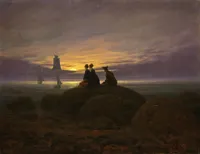
Caspar David Friedrich · 1822
From $80
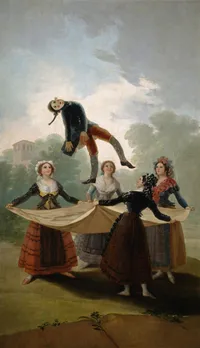
Francisco Goya · 1791
From $95
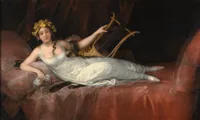
Francisco Goya · 1805
From $90
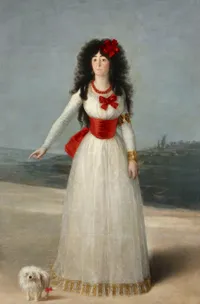
Francisco Goya · 1795
From $85
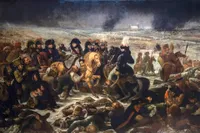
Antoine-Jean Gros · 1807
From $85
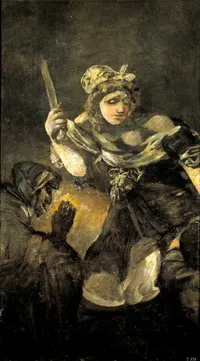
Francisco Goya · 1819
From $95
Before you explore
We use cookies for analytics, heatmaps and session recordings, so we can see what visitors love and keep making the gallery better. Anything you type stays private. You can change your choice at any time in our privacy policy.