Ophelia
John Everett Millais · 1851
From $85
Printed for you, as a giclée
Art Through Time · 1848 to 1900
The Pre-Raphaelite Brotherhood was a group of young English artists who, in 1848, turned against the way the Royal Academy taught painting, a way they traced back to Raphael. They painted in bright, jewel-like color, studied every leaf and petal from nature, and took their subjects from poetry, the Bible and medieval legend.
The Brotherhood itself lasted barely five years, but its style ran on for half a century, from Millais's Ophelia to Waterhouse's Lady of Shalott.
John Everett Millais · 1851
From $85
John William Waterhouse · 1888
From $80
Dante Gabriel Rossetti · 1874
From $105
William Holman Hunt · 1853
From $100
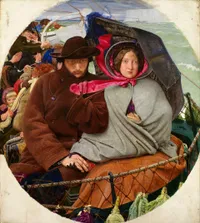
Ford Madox Brown · c. 1853
From $75
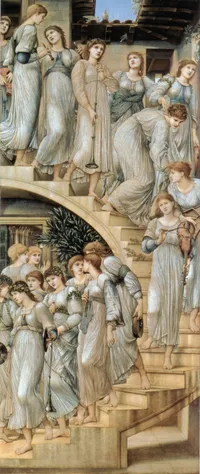
Edward Burne-Jones · 1876
From $110
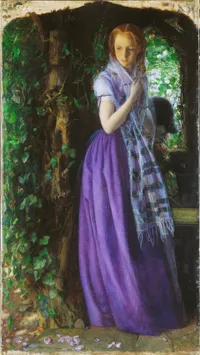
Arthur Hughes · c. 1855
From $95
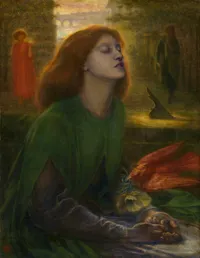
Dante Gabriel Rossetti · 1872
From $80
The Brotherhood was founded in September 1848 at the house of John Everett Millais's parents on Gower Street, London, by three students of the Royal Academy: Millais, Dante Gabriel Rossetti and William Holman Hunt. Four more joined: Rossetti's brother William Michael Rossetti, the painter James Collinson, the critic Frederic George Stephens and the sculptor Thomas Woolner. They signed their first pictures with the initials PRB and kept the meaning secret. Ford Madox Brown, a little older, stayed independent but close to them.
By 1853 the Brotherhood had all but dissolved, and that year Millais was elected to the Royal Academy they had set out against. A second wave began in 1857, when Rossetti, William Morris and Edward Burne-Jones painted the legends of King Arthur on the walls of the Oxford Union, and painters such as John William Waterhouse carried the style into the 1910s.
Their name was a rejection. They saw Raphael's graceful poses as the root of everything the art schools taught, and they mocked Sir Joshua Reynolds, the Royal Academy's first president, as "Sir Sloshua". William Michael Rossetti set down their aims: to have genuine ideas to express; to study nature attentively, so as to know how to express them; to sympathise with what is direct and serious and heartfelt in previous art, to the exclusion of what is conventional and self-parading and learned by rote; and, most indispensable of all, to produce thoroughly good pictures and statues.
In 1850 Millais showed Christ in the House of His Parents, the Holy Family as a working carpenter's household, painted without flattery. Charles Dickens attacked it in print and found the Virgin Mary ugly. The critic John Ruskin came to their defence in letters to The Times, and they survived the storm.
Millais painted the landscape of Ophelia first, on the bank of the Hogsmill River in Surrey, over five months in 1851, working up to eleven hours a day, six days a week. Then, in his London studio, Elizabeth Siddal lay fully clothed in a bath of water while he painted her, with oil lamps under it to keep the water warm, until, absorbed in his work, he let them go out. She caught a severe cold, and her father asked Millais for £50 for her doctor's bills.
Siddal was an artist and poet herself, and later married Rossetti. After her death in 1862 he painted her as Dante's Beatrice in Beata Beatrix. Jane Morris, the wife of William Morris, sat for his later women, among them Proserpine.
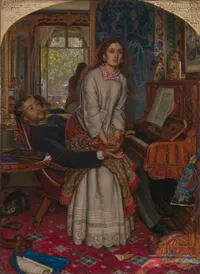
William Holman Hunt · 1853
From $80
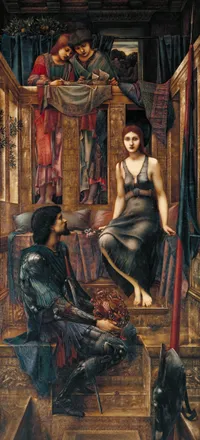
Edward Burne-Jones · 1884
From $105
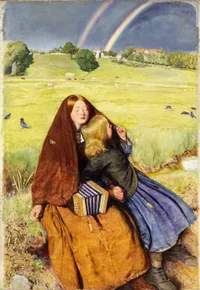
John Everett Millais · 1856
From $85
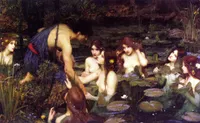
John William Waterhouse · 1896
From $90
The second wave led in two directions. William Morris turned its love of the handmade and the medieval into the Arts and Crafts movement, with wallpapers, books and furniture; Burne-Jones and Rossetti's dreamy, beautiful women fed the Aesthetic Movement's art for art's sake. When Burne-Jones's King Cophetua and the Beggar Maid was shown at the Paris World's Fair of 1889, French painters found in it a model for Symbolism, and its long lines run on into Art Nouveau.
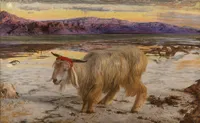
William Holman Hunt · 1854
From $90
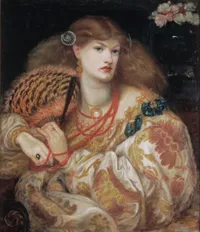
Dante Gabriel Rossetti · 1866
From $75
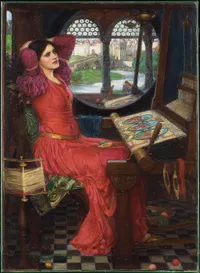
John William Waterhouse · 1916
From $80
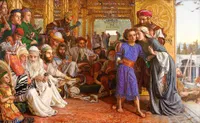
William Holman Hunt · 1860
From $90
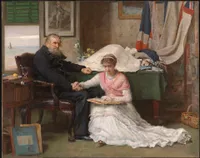
John Everett Millais · 1874
From $80
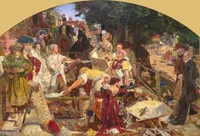
Ford Madox Brown · 1852
From $85
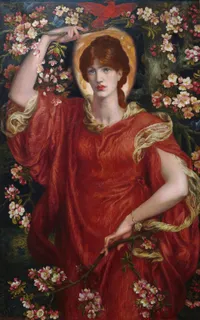
Dante Gabriel Rossetti · 1878
From $90
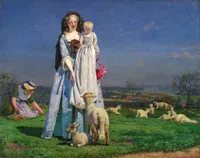
Ford Madox Brown · c. 1851
From $80
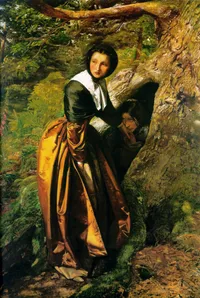
John Everett Millais · 1853
From $85
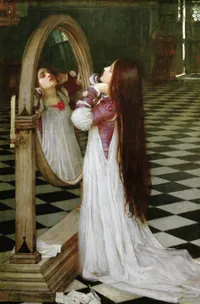
John William Waterhouse · 1897
From $85
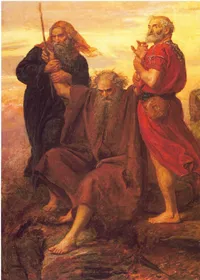
John Everett Millais · 1871
From $80
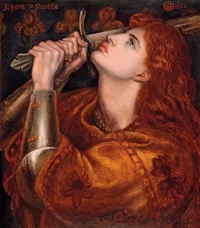
Dante Gabriel Rossetti · 1882
From $75
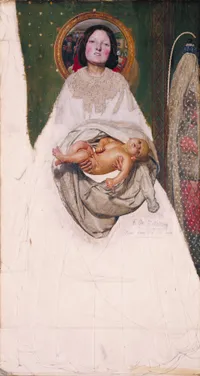
Ford Madox Brown · 1851
From $95
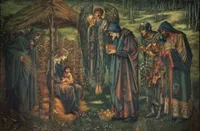
Edward Burne-Jones · 1890
From $85
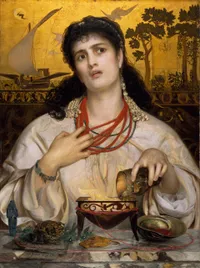
Frederick Sandys · 1868
From $80
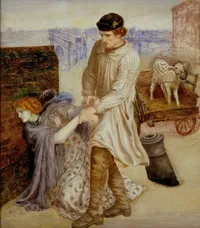
Dante Gabriel Rossetti · 1859
From $75
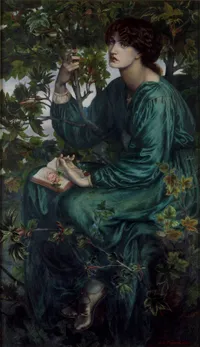
Dante Gabriel Rossetti · 1880
From $95
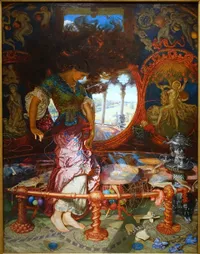
William Holman Hunt · Undated (1827–1910)
From $80
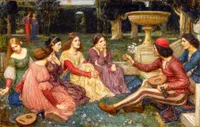
John William Waterhouse · 1916
From $90
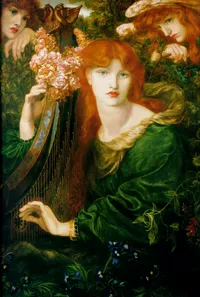
Dante Gabriel Rossetti · 1873
From $85
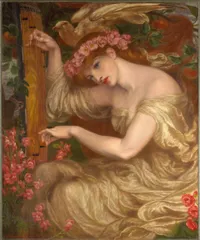
Dante Gabriel Rossetti · 1877
From $80
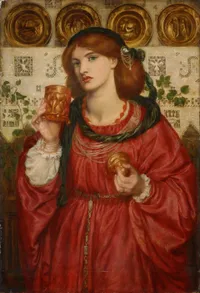
Dante Gabriel Rossetti · 1867
From $85
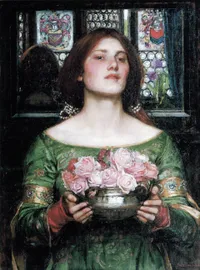
John William Waterhouse · 1908
From $80
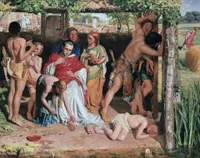
William Holman Hunt · 1849
From $80
Before you explore
We use cookies for analytics, heatmaps and session recordings, so we can see what visitors love and keep making the gallery better. Anything you type stays private. You can change your choice at any time in our privacy policy.