Impression, Sunrise
Claude Monet · 1872
From $80
Printed for you, as a giclée
Art Through Time · 1867 to 1910
Impressionism was the movement of painters in Paris who, from the late 1860s, painted outdoors and quickly to catch the changing light of a single moment. They first showed together in 1874, and a critic named them after Claude Monet's Impression, Sunrise.
Monet, Pierre-Auguste Renoir, Camille Pissarro, Alfred Sisley, Edgar Degas, Berthe Morisot and Mary Cassatt worked in loose, visible brushstrokes and bright color, and they painted modern life: boating parties, cafés, railway stations and the new boulevards of Paris.
Claude Monet · 1872
From $80
Claude Monet · 1906
From $70
Pierre-Auguste Renoir · 1876
From $80
Edgar Degas · 1874
From $75
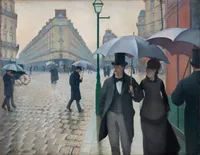
Gustave Caillebotte · 1877
From $80
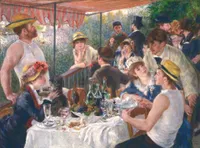
Pierre-Auguste Renoir · c. 1880
From $80
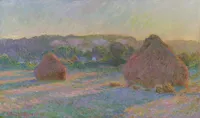
Claude Monet · 1890–91
From $95
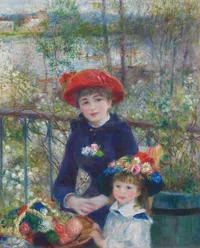
Pierre-Auguste Renoir · 1881
From $80
As a movement, Impressionism runs from the late 1860s to the mid-1880s. The group held eight exhibitions in Paris. The first opened in April 1874 in the former studio of the photographer Nadar, on the Boulevard des Capucines; the last was in 1886.
By then the group was splitting. Georges Seurat showed A Sunday on La Grande Jatte at that last exhibition, and the painters who came after are now called the Post-Impressionists. As a way of painting, Impressionism lasted much longer: Monet painted his water lilies at Giverny until his death in 1926, and painters from the United States to Denmark made their own versions into the 1910s.
The French art world ran through the Salon, the official exhibition, whose juries rewarded smooth, finished pictures of history and myth. The Impressionists' sketch-like canvases were turned away again and again, so in 1874 they organized a show of their own.
The critic Louis Leroy mocked it in the satirical paper Le Charivari, under the title "The Exhibition of the Impressionists", taking the word from Monet's harbor at Le Havre at dawn. The painters kept the name. Within twelve years the dealer Paul Durand-Ruel was showing their work in New York, and American collectors became some of their first great buyers.
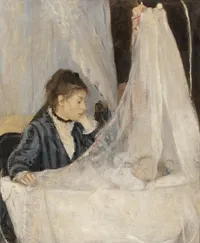
Berthe Morisot · 1872
From $80
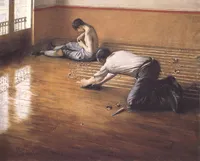
Gustave Caillebotte · 1876
From $80
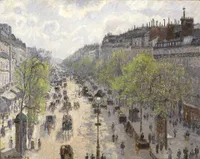
Camille Pissarro · 1897
From $80
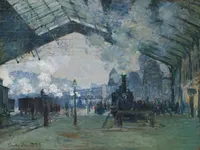
Claude Monet · 1877
From $80
Paul Cézanne, Vincent van Gogh, Paul Gauguin and Seurat kept its bright color and turned it to structure, feeling and symbol: Post-Impressionism. In the United States, American Impressionism carried the style from Giverny to the coast of Connecticut.
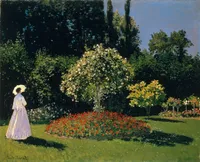
Claude Monet · 1867
From $80
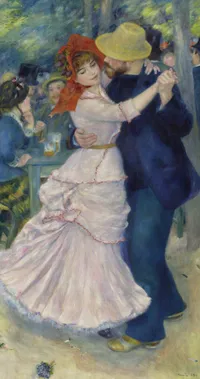
Pierre-Auguste Renoir · 1883
From $95
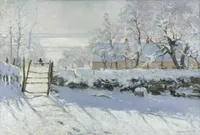
Claude Monet · 1868
From $85
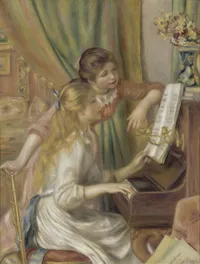
Pierre-Auguste Renoir · 1892
From $80
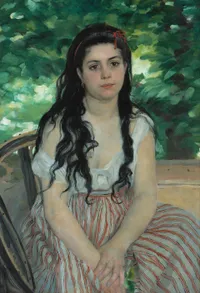
Pierre-Auguste Renoir · 1868
From $85
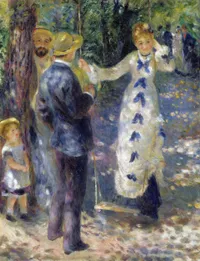
Pierre-Auguste Renoir · 1876
From $80
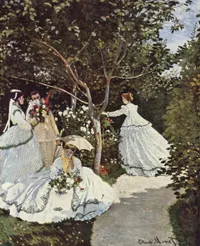
Claude Monet · 1866
From $80
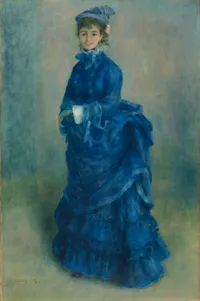
Pierre-Auguste Renoir · 1874
From $85
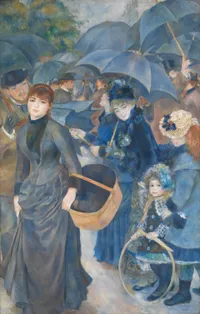
Pierre-Auguste Renoir · c. 1881
From $90
Claude Monet · c. 1915–26
From $105
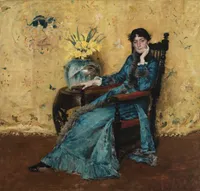
William Merritt Chase · 1882–83
From $70
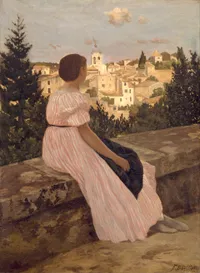
Frédéric Bazille · 1864
From $80
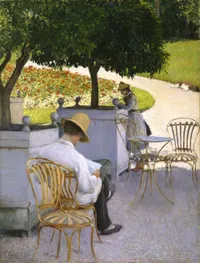
Gustave Caillebotte · 1878
From $80
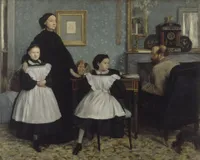
Edgar Degas · 1858
From $80
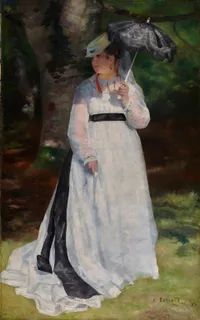
Pierre-Auguste Renoir · 1867
From $90
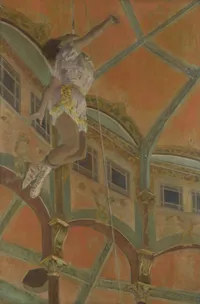
Edgar Degas · 1879
From $85
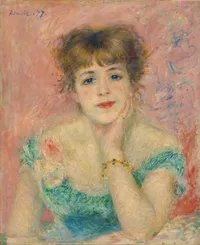
Pierre-Auguste Renoir · 1877
From $80
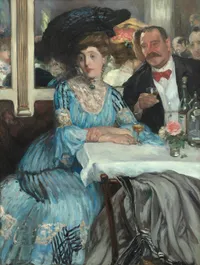
William James Glackens · 1905
From $80
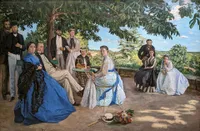
Frédéric Bazille · 1867
From $85
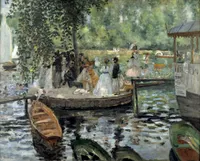
Pierre-Auguste Renoir · 1875
From $80
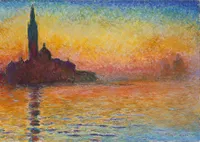
Claude Monet · 1908
From $80
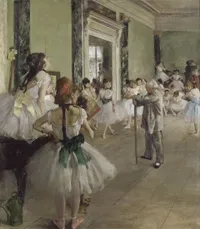
Edgar Degas · 1871
From $75
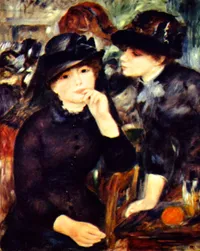
Pierre-Auguste Renoir · c. 1880
From $80

Gustave Caillebotte · 1878
From $80
Before you explore
We use cookies for analytics, heatmaps and session recordings, so we can see what visitors love and keep making the gallery better. Anything you type stays private. You can change your choice at any time in our privacy policy.