The Swing
Jean-Honoré Fragonard · c. 1767
From $80
Printed for you, as a giclée
Art Through Time · 1715 to 1780
Rococo is the light, playful style that followed the Baroque in France from about 1715, after the death of Louis XIV, and spread across Europe until the 1780s. It traded grandeur for charm: pastel color, curving lines, lovers in parks, and the pleasures of an aristocracy at ease.
Its painters were Antoine Watteau, François Boucher and Jean-Honoré Fragonard in France, and Giovanni Battista Tiepolo, who filled the ceilings of Venice and Würzburg with sunlit skies.
Jean-Honoré Fragonard · c. 1767
From $80
Jean-Antoine Watteau · 1717
From $85
François Boucher · 1759
From $80
Canaletto (Giovanni Antonio Canal) · late 1720s
From $90
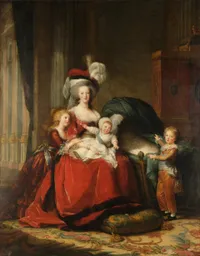
Élisabeth Louise Vigée Le Brun · 1787
From $80
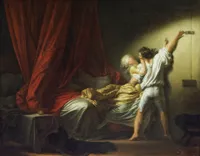
Jean-Honoré Fragonard · c. 1777
From $80
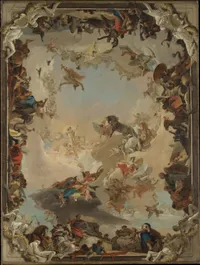
Giovanni Battista Tiepolo · 1752
From $80
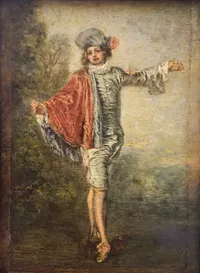
Jean-Antoine Watteau · c. 1717
From $80
The Rococo begins with the Regency in France. When Louis XIV died in 1715, the nobility moved from Versailles into the town houses of Paris, and wanted pictures for smaller, lighter rooms. Watteau's The Embarkation for Cythera, accepted by the Royal Academy in 1717, set its tone, and the Academy named a new kind of picture for it: the fête galante, elegant people at leisure in a park.
By the 1760s critics such as Denis Diderot were calling the style frivolous, and by the 1780s Neoclassicism had replaced it. Its name, from rocaille, the shell and pebble work of garden grottoes, was coined later, as a joke at its expense.
Venice had its own Rococo. Tiepolo painted ceilings for Venetian palaces and for the prince-bishop's Residence at Würzburg, and Canaletto and Francesco Guardi painted the city's canals for English travelers on the Grand Tour, who carried views such as Canaletto's Piazza San Marco home as souvenirs.
In the German lands, the style filled pilgrimage churches and palaces with white and gold. In Paris, portraitists such as Élisabeth Vigée Le Brun carried its softness into the 1780s, painting Queen Marie Antoinette and her circle.
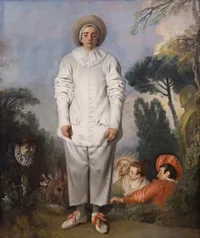
Jean-Antoine Watteau · 1718
From $80
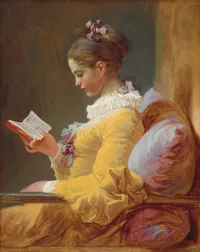
Jean Honoré Fragonard · c. 1769
From $80
Canaletto (Giovanni Antonio Canal) · late 1720s
From $90
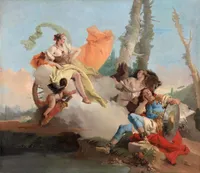
Giovanni Battista Tiepolo · c. 1742–45
From $75
In the 1780s, as France moved toward revolution, Jacques-Louis David answered the Rococo's pleasure with duty: Neoclassicism, with its sharp outlines and Roman heroes, and its manifesto painting, The Oath of the Horatii of 1784.
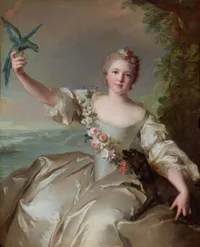
Jean-Marc Nattier · 1738
From $80
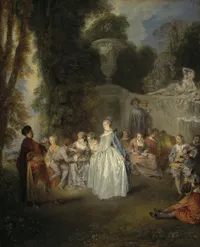
Jean-Antoine Watteau · 1718
From $80
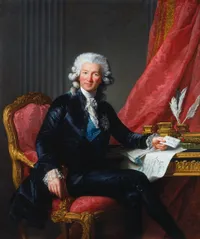
Élisabeth Louise Vigée Le Brun · 1784
From $80
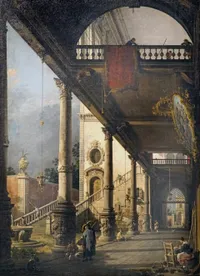
Giovanni Antonio Canal · 1765
From $80
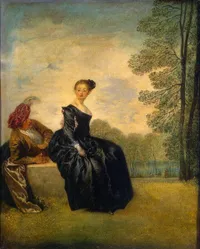
Jean-Antoine Watteau · 1718
From $80
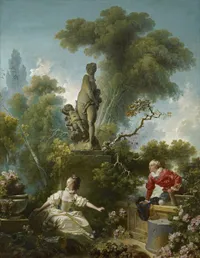
Jean-Honoré Fragonard · 1771
From $80
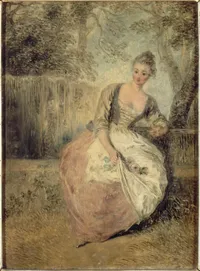
Jean-Antoine Watteau · 1715
From $80

Giovanni Battista Tiepolo · Undated (1696–1770)
From $80
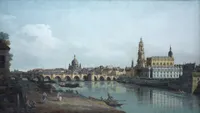
Bernardo Bellotto · 1748
From $95

Élisabeth Louise Vigée Le Brun · 1790
From $80
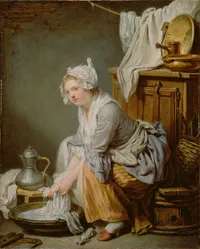%20-%20Google%20Art%20Project.jpg&w=200)
Jean-Baptiste Greuze · 1761
From $80
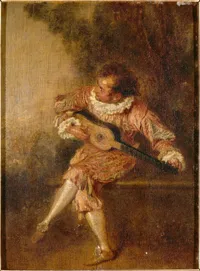
Jean-Antoine Watteau · 1715
From $80
Bernardo Bellotto · 1738
From $90
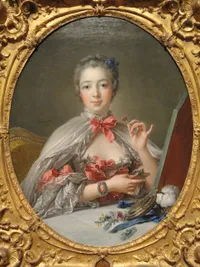
François Boucher · 1750
From $80
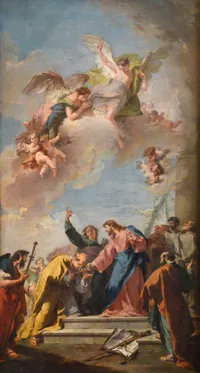
Giambattista Pittoni · 1730
From $95
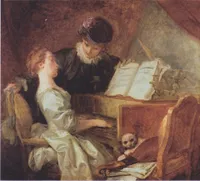
Jean-Honoré Fragonard · 1770
From $75
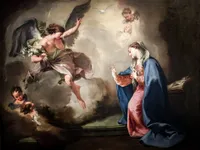
Giambattista Pittoni · 1757
From $80
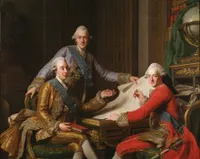
Alexander Roslin · 1771
From $80
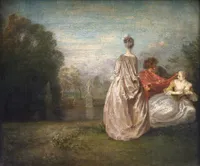
Jean-Antoine Watteau · 1716
From $80
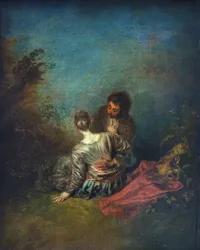
Jean-Antoine Watteau · 1717
From $80
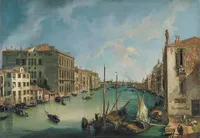
Giovanni Antonio Canal · c. 1723
From $85
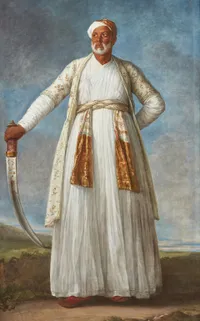
Élisabeth Louise Vigée Le Brun · 1788
From $90
Giovanni Battista Tiepolo · 1732
From $80
Giovanni Antonio Canal · c. 1729
From $85
Before you explore
We use cookies for analytics, heatmaps and session recordings, so we can see what visitors love and keep making the gallery better. Anything you type stays private. You can change your choice at any time in our privacy policy.