The Night Watch
Rembrandt · 1642
From $80
Printed for you, as a giclée
Art Through Time · 1600 to 1700
The Dutch Golden Age was the seventeenth century in the Dutch Republic, when a small new country, rich from trade, produced more great painters than almost any place in history: Rembrandt in Amsterdam, Johannes Vermeer in Delft, Frans Hals and Judith Leyster in Haarlem, Jan Steen, Jacob van Ruisdael and many more.
They painted for merchants and ordinary households rather than for kings and the Church, and so they painted what those buyers knew: their own faces, their rooms, their towns, their landscapes, their food and their flowers.
Rembrandt · 1642
From $80
Johannes Vermeer · 1665
From $75
Johannes Vermeer · 1660
From $75
Johannes Vermeer · c. 1661
From $80
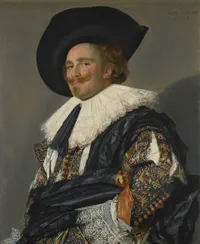
Frans Hals · 1624
From $80
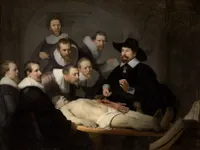
Rembrandt · 1632
From $80
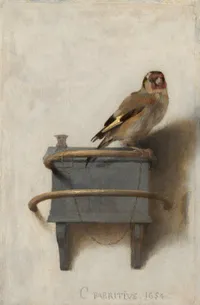
Carel Fabritius · 1654
From $85
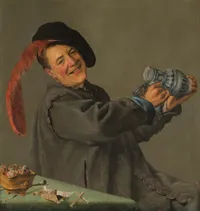
Judith Leyster · 1629
From $70
It runs from about 1600, with its height from the 1620s to 1672. The northern Netherlands rose against Spanish rule in 1568, and by 1600 the Dutch Republic was the richest trading nation in Europe, with Amsterdam its banking and shipping capital. Spain recognized its independence in 1648. Its great age ended in 1672, the Disaster Year, when France, England and two German bishoprics attacked the Republic at once and the art market collapsed, though painters worked on in its manner to the end of the century.
As a Protestant republic, it had no royal court to paint for, and its Calvinist churches had whitewashed walls and no altarpieces. Instead, painters sold to the public, at fairs, in shops and through dealers, and historians estimate that millions of paintings were made in the Republic over the century. Even bakers and farmers hung them at home.
Rembrandt van Rijn came from Leiden to Amsterdam in 1631 and made his name with The Anatomy Lesson of Dr. Nicolaes Tulp in 1632. His The Night Watch of 1642 turned a militia company's portrait into a scene of movement and light; it was never a night scene, and only darkening varnish gave it the name. He went bankrupt in 1656 and painted himself again and again to the end of his life, as in his Self-Portrait of 1658.
Johannes Vermeer worked in Delft and left only some thirty-five paintings, mostly of women alone in quiet rooms lit from the left. Girl with a Pearl Earring is not a portrait of anyone known but a tronie, a study of a face and a costume. Marcel Proust thought View of Delft the most beautiful painting in the world. Vermeer was nearly forgotten until a French critic rediscovered him in the 1860s.
In Haarlem, Frans Hals painted with quick, loose strokes that caught a laugh or a glance, as in the Laughing Cavalier, who is smiling, not laughing. Judith Leyster, one of the few women admitted to Haarlem's painters' guild, painted The Jolly Toper. Jan Steen painted such cheerful chaos that a messy home is still called a Jan Steen household in Dutch. Carel Fabritius painted The Goldfinch in 1654, the year he was killed in the explosion of Delft's gunpowder store, and Jacob van Ruisdael painted The Windmill at Wijk bij Duurstede under a towering sky.
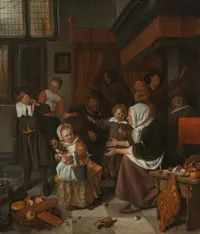
Jan Steen · c. 1665
From $75
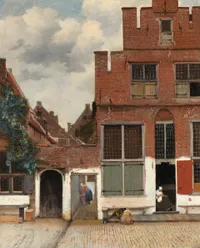
Johannes Vermeer · 1658
From $80
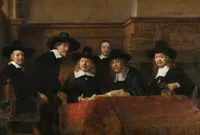
Rembrandt · 1662
From $85
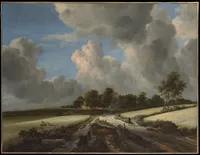
Jacob van Ruisdael · ca. 1670
From $80
After 1672 Dutch painting grew smoother and more French in taste, and the great names were gone. Its influence came later. The Realists of the nineteenth century took up its ordinary subjects, Manet and the Impressionists learned from Hals's loose brushwork, and Van Gogh, a Dutchman himself, said he would give ten years of his life to sit for a fortnight in front of Rembrandt's Jewish Bride.
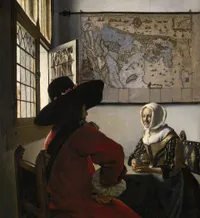
Johannes Vermeer · 1658
From $75
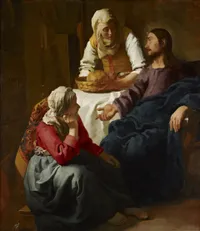
Johannes Vermeer · c. 1650
From $75
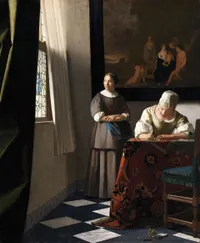
Johannes Vermeer · 1670
From $80
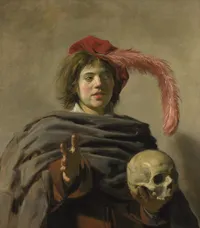
Frans Hals · 1626
From $75
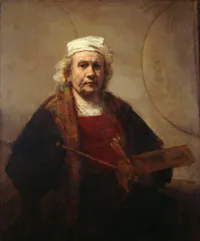
Rembrandt · 1665
From $80
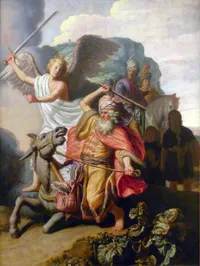
Rembrandt · 1626
From $80
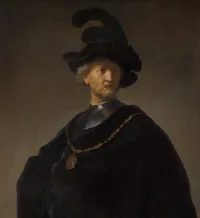
Rembrandt van Rijn · 1631
From $75
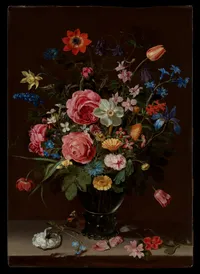
Clara Peeters · ca. 1612
From $80
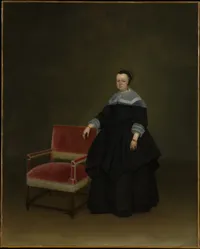
Gerard ter Borch the Younger · ca. 1666–67
From $80
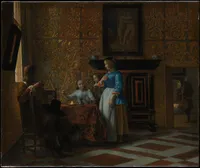
Pieter de Hooch · ca. 1663–65
From $80
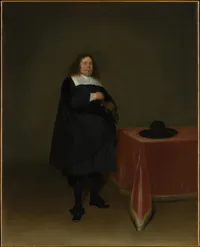
Gerard ter Borch the Younger · ca. 1666–67
From $80
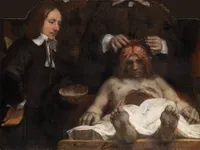
Rembrandt · 1656
From $80
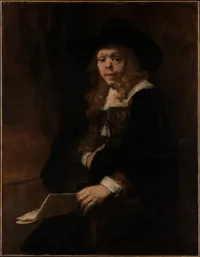
Rembrandt (Rembrandt van Rijn) · 1665–67
From $80
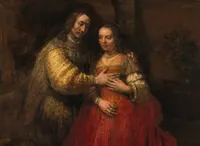
Rembrandt · c. 1667
From $80
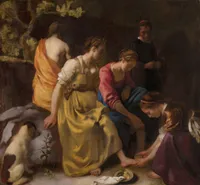
Johannes Vermeer · c. 1650
From $75

Rembrandt · 1665
From $80
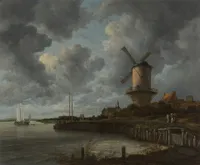
Jacob van Ruisdael · 1670
From $80
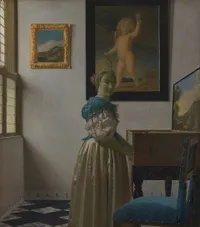
Johannes Vermeer · c. 1670
From $75
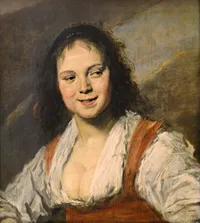
Frans Hals · 1626
From $75
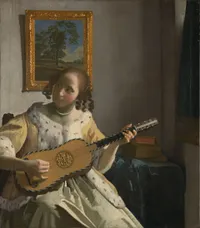
Johannes Vermeer · 1672
From $75
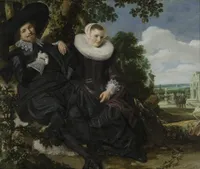
Frans Hals · 1622
From $75
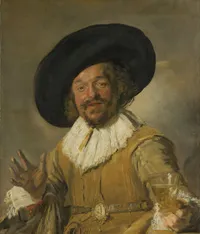
Frans Hals · c. 1629
From $75
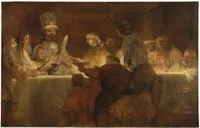
Rembrandt · c. 1661
From $85

Jacob van Ruisdael · c. 1650
From $80
Before you explore
We use cookies for analytics, heatmaps and session recordings, so we can see what visitors love and keep making the gallery better. Anything you type stays private. You can change your choice at any time in our privacy policy.