Woman with a hat
Henri Matisse · 1905
From $80
Printed for you, as a giclée
Art Through Time · 1905 to 1910
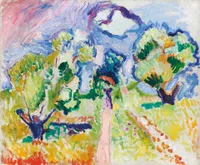
Fauvism was the movement that, from 1905 to about 1910, set color free. Henri Matisse, André Derain and their friends in Paris painted with pure color straight from the tube: green shadows down a face, red trees, pink seas. Color no longer had to match the world. It had to carry feeling and light on its own.
The name was an insult. At the Salon d'Automne of 1905, the critic Louis Vauxcelles called the painters fauves, wild beasts.
Henri Matisse · 1905
From $80
Henri Matisse · 1905
From $80
André Derain · 1905
From $80
Henri Matisse · 1907
From $80
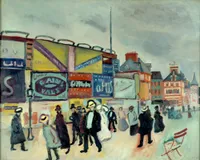
Raoul Dufy · 1906
From $80
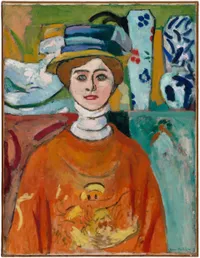
Henri Matisse · 1908
From $80
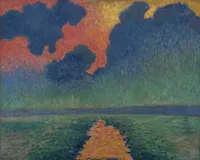
André Derain · 1906
From $80
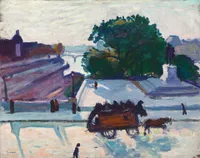
Albert Marquet · 1906
From $80
Fauvism began in the summer of 1905, when Matisse and Derain painted side by side at Collioure, a fishing port on the Mediterranean near the Spanish border, as in Derain's Harbour of Collioure. In October they hung their summer's work in one room of the Salon d'Automne in Paris, with Albert Marquet, Henri Manguin, Charles Camoin, Maurice de Vlaminck and others. In the middle of the room stood a small sculpture in the manner of the Renaissance. "Donatello among the wild beasts," Vauxcelles wrote, and the name stuck.
Its height lasted barely three years. By 1908 the group had scattered: Georges Braque had turned to Cézanne and to Picasso, and Matisse was moving toward the calm, flat color of his later work. The same critic named the next movement too. In 1908 he described Braque's new landscapes as made of little cubes.
Most of the Fauves met at one of three places. Matisse, Marquet, Manguin and Camoin were students of Gustave Moreau at the École des Beaux-Arts in Paris. Derain and Vlaminck shared a studio at Chatou, on the Seine west of Paris; Derain later said that in their hands colors became charges of dynamite. Raoul Dufy, Othon Friesz and Braque all grew up in the port of Le Havre.
They learned from the painters just before them: Van Gogh's color, Gauguin's flat shapes, and the bright dots of Paul Signac, with whom Matisse spent the summer of 1904 at Saint-Tropez, painting The Bay of Saint-Tropez. Dufy said that seeing Matisse's work of that summer opened his eyes. His Les Affiches à Trouville of 1906 turns a row of posters on a seaside promenade into blocks of pure color.
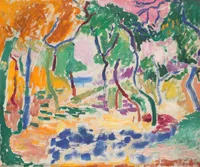
Henri Matisse · 1905
From $80
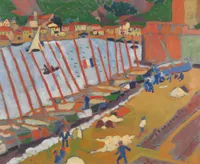
André Derain · 1905
From $80
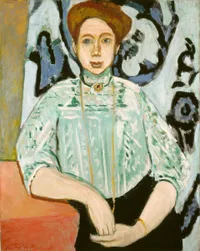
Henri Matisse · 1908
From $80
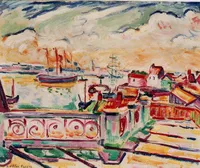
Othon Friesz · 1906
From $80
Braque took the Fauves' freedom in another direction. After the Cézanne retrospective of 1907 he began, with Picasso, to break objects into planes: Cubism. In Germany, the young painters of Die Brücke in Dresden and, from 1908, Wassily Kandinsky, Gabriele Münter and Alexej von Jawlensky at Murnau pushed Fauve color toward inner feeling: Expressionism.
Matisse stayed with color for the rest of his life. In his Notes of a Painter of 1908 he wrote that he dreamed of an art of balance, purity and serenity, something like a good armchair that rests a tired body.
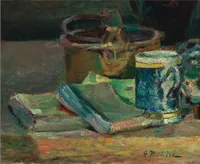
Henri Matisse · 1895
From $80
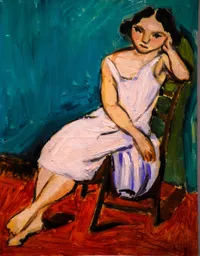
Henri Matisse · 1909
From $80
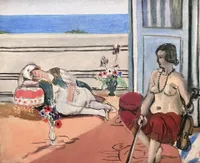
Henri Matisse · 1921
From $80
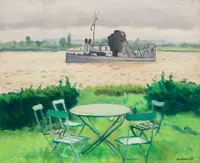.jpg&w=200)
Albert Marquet · 1927
From $80
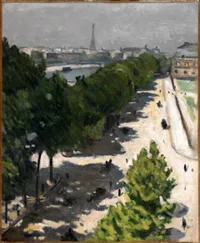
Albert Marquet · 1910
From $80
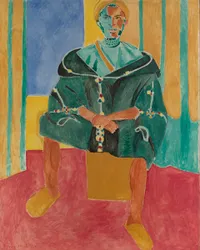
Henri Matisse · 1912
From $80
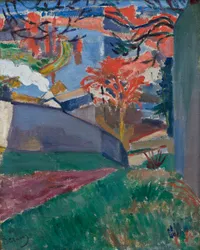
André Derain · 1904
From $80
.jpg&w=200)
Henri Matisse · 1905
From $80
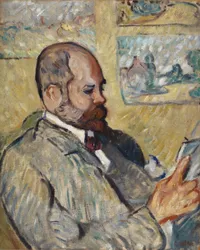
Louis Valtat · 1908
From $80
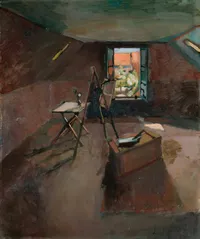
Henri Matisse · 1903
From $80
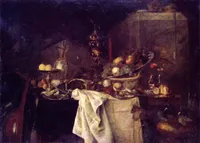
Henri Matisse · 1893
From $80
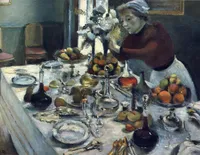
Henri Matisse · c. 1896
From $80
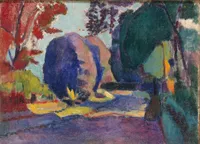
Henri Matisse · 1901
From $80
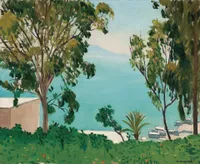.jpg&w=200)
Albert Marquet · 1923
From $80
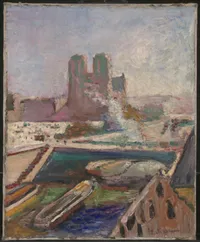
Henri Matisse · 1900
From $80
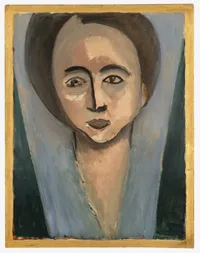
Henri Matisse · 1916
From $80
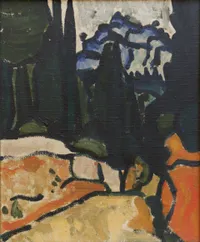
André Derain · 1907
From $80
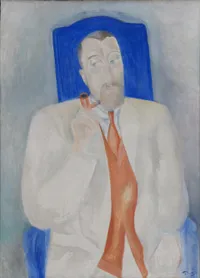
André Derain · 1915
From $80
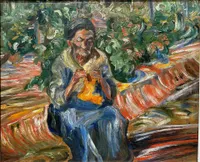
Nadežda Petrović · 1906
From $80
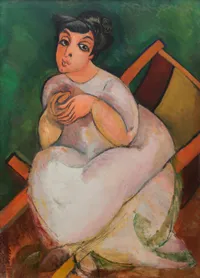
Raoul Dufy · 1906
From $80
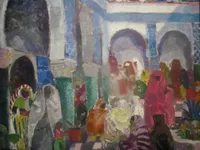
Charles Dufresne · c. 1912
From $80
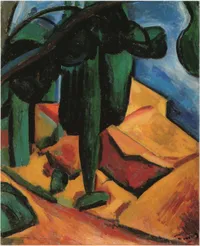
André Derain · 1908
From $80
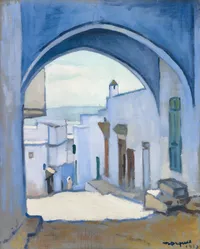
Albert Marquet · 1913
From $80
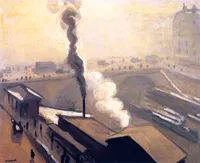
Albert Marquet · 1908
From $80
Before you explore
We use cookies for analytics, heatmaps and session recordings, so we can see what visitors love and keep making the gallery better. Anything you type stays private. You can change your choice at any time in our privacy policy.