The Kiss
Gustav Klimt · 1907
From $70
Printed for you, as a giclée
Art Through Time · 1890 to 1914
Art Nouveau, French for new art, was the international style of about 1890 to 1914 that took its lines from nature: whiplash curves, climbing plants, flowers, and women with long flowing hair. It ran through everything at once, from posters and paintings to jewelry, furniture, glass and buildings.
Its painters and designers were Alphonse Mucha in Paris, Gustav Klimt in Vienna, Aubrey Beardsley in London, and, in architecture, Victor Horta in Brussels, Hector Guimard in Paris and Antoni Gaudí in Barcelona.
Gustav Klimt · 1907
From $70
Alphonse Marie Mucha · 1897
From $95
Gustav Klimt · 1907
From $70
Alphonse Mucha · 1895
From $120
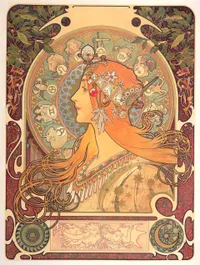
Alphonse Mucha · 1896
From $80
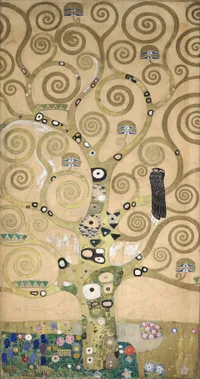
Gustav Klimt · 1909
From $95
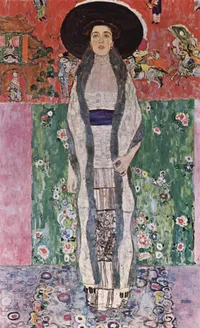
Gustav Klimt · 1912
From $90
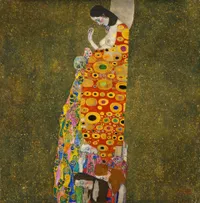
Gustav Klimt · 1907
From $70
Art Nouveau begins in the early 1890s. Victor Horta's Hôtel Tassel in Brussels, of 1893, is its first great building, and the style took its name from Siegfried Bing's shop in Paris, the Maison de l'Art Nouveau, which opened in 1895. It peaked at the Paris World's Fair of 1900, the year Guimard's cast-iron entrances to the new Métro went up, and it was over by the First World War, in 1914.
It had a different name in each country: Jugendstil in Germany, after the Munich magazine Jugend, founded in 1896; Secession in Vienna, after the artists who broke from the academy there in 1897; Modernisme in Barcelona; Stile Liberty in Italy, after the London shop Liberty.
In December 1894, a young Czech illustrator named Alphonse Mucha was asked at short notice to design a poster for the actress Sarah Bernhardt. Gismonda went up on the walls of Paris in January 1895, tall and narrow, gold and pale, and collectors peeled copies off the walls. Bernhardt gave him a six-year contract, and the Mucha style became, for many people, Art Nouveau itself.
In Vienna, Gustav Klimt and his friends left the official artists' society in 1897 to found the Secession, with the motto "To every age its art, to art its freedom" over the door of their exhibition hall. Klimt's golden period followed: Portrait of Adele Bloch-Bauer I and The Kiss, both of 1907 to 1908, and the design for the Tree of Life, for a dining room mosaic in Brussels.
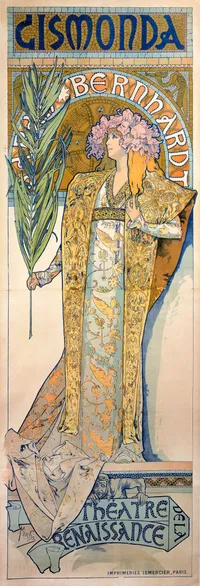
Alphonse Mucha · 1895
From $120
Alphonse Mucha · 1896
From $80
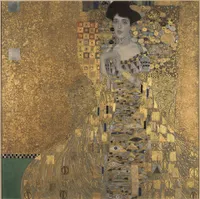
Gustav Klimt · 1907
From $70
Gustav Klimt · 1909
From $95
By 1910 its curves looked old-fashioned. Designers turned to straight lines and machine forms, which after the war became Art Deco, and painters turned to the broken forms of Cubism and the raw color of Expressionism.
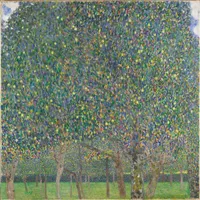
Gustav Klimt · 1903
From $70
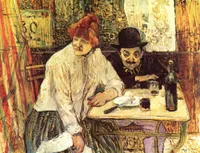
Henri de Toulouse-Lautrec · 1891
From $80
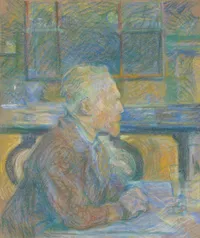
Henri de Toulouse-Lautrec · 1887
From $80
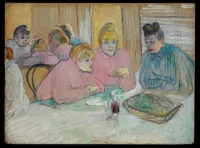
Henri de Toulouse-Lautrec · c. 1894
From $80
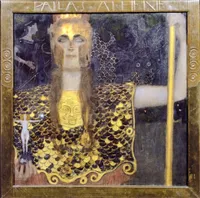
Gustav Klimt · 1899
From $70
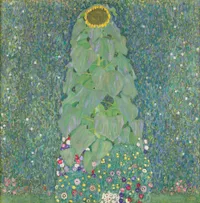
Gustav Klimt · c. 1907
From $70
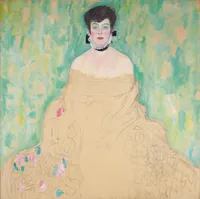
Gustav Klimt · c. 1917
From $70
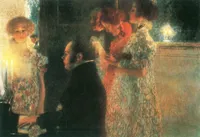
Gustav Klimt · 1899
From $85
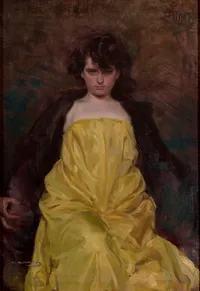
Ramon Casas · 1907
From $85
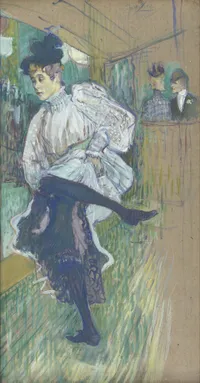
Henri de Toulouse-Lautrec · 1892
From $95
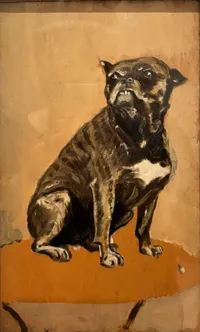
Henri de Toulouse-Lautrec · 1880
From $90
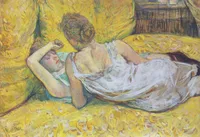
Henri de Toulouse-Lautrec · 1895
From $85
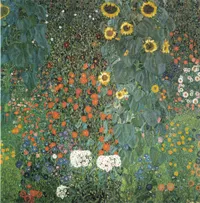
Gustav Klimt · 1906
From $70
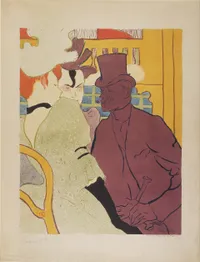
Henri de Toulouse-Lautrec · 1892
From $80
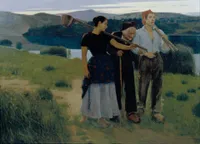
Joan Llimona · 1896
From $80
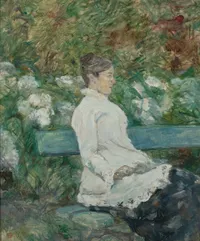
Henri de Toulouse-Lautrec · c. 1880
From $80
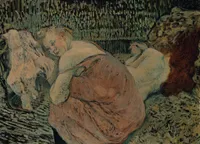
Henri de Toulouse-Lautrec · 1895
From $80
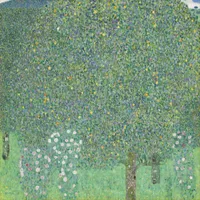
Gustav Klimt · 1905
From $70
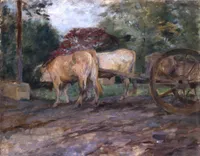
Henri de Toulouse-Lautrec · 1883
From $80
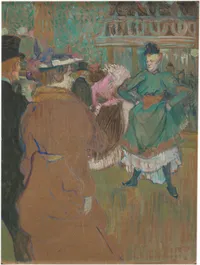
Henri de Toulouse-Lautrec · 1892
From $80
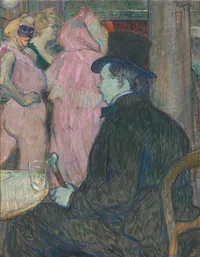
Henri de Toulouse-Lautrec · 1896
From $80
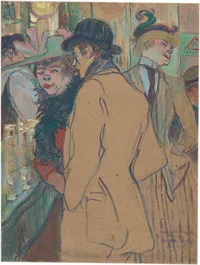
Henri de Toulouse-Lautrec · 1894
From $80
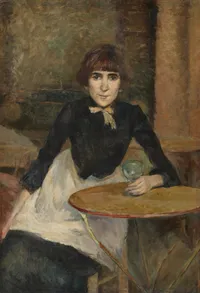
Henri de Toulouse-Lautrec · 1888
From $85
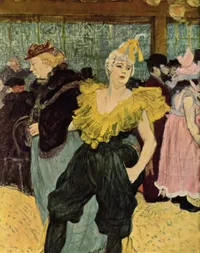
Henri de Toulouse-Lautrec · 1895
From $80
Before you explore
We use cookies for analytics, heatmaps and session recordings, so we can see what visitors love and keep making the gallery better. Anything you type stays private. You can change your choice at any time in our privacy policy.