The Starry Night
Vincent van Gogh · 1889
From $80
Printed for you, as a giclée
Art Through Time · 1886 to 1905
Post-Impressionism is the name for the painters who, from about 1886 to 1905, took the bright color of Impressionism and pushed it toward structure, emotion and symbol: Paul Cézanne, Vincent van Gogh, Paul Gauguin and Georges Seurat above all.
They were never a group, and they never used the word. The English critic Roger Fry gave it to them in 1910, for an exhibition in London called Manet and the Post-Impressionists.
Vincent van Gogh · 1889
From $80
Georges Seurat · 1884–86, border added 1888–89
From $85
Paul Cézanne · 1890–92
From $80
Vincent van Gogh · 1888
From $80
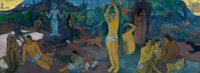
Paul Gauguin · c. 1897
From $120
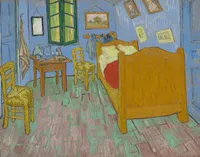
Vincent van Gogh · 1889
From $80
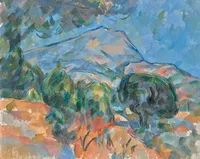
Paul Cezanne · c. 1904
From $80
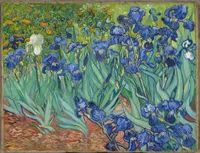
Vincent van Gogh · 1889
From $80
It begins around 1886, the year of the eighth and last Impressionist exhibition, where Seurat showed A Sunday on La Grande Jatte. It ends around 1905, when Henri Matisse and the Fauves showed their wild color in Paris.
Its painters did not last long. Van Gogh died in 1890, at 37; Seurat in 1891, at 31; Gauguin in 1903, in the Marquesas Islands; Cézanne in 1906, in Aix-en-Provence. Nearly everything Van Gogh is known for, he painted in his last five years.
Each painter went a different way, which is why the label is so loose. What they share is color stronger than nature's, solid forms where Impressionism had dissolved them, and a picture that says something beyond what the eye sees.
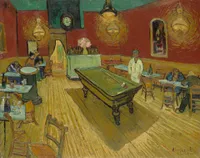
Vincent van Gogh · 1888
From $80
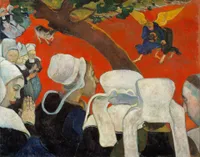
Paul Gauguin · 1888
From $80

Henri Rousseau · 1897
From $90
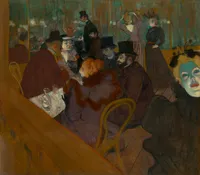
Henri de Toulouse-Lautrec · 1892–95
From $75
Almost everything modern. Van Gogh's color led to Fauvism and Expressionism; Cézanne's blocks of color led Picasso and Braque to Cubism; Gauguin's flat color and outlines led the Nabis and the Symbolists.
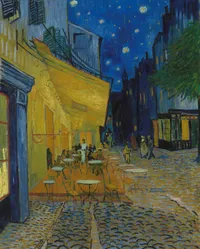
Vincent van Gogh · 1888
From $80
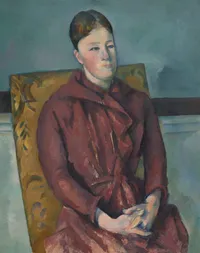
Paul Cezanne · 1888–90
From $80
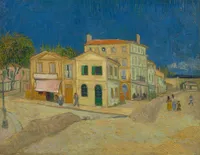
Vincent van Gogh · 1888
From $80
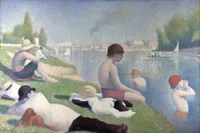
Georges Seurat · 1884
From $85
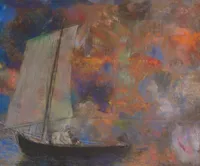
Odilon Redon · c. 1903
From $80
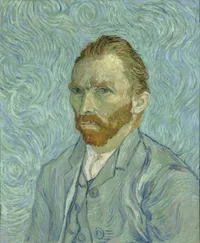
Vincent van Gogh · 1889
From $80
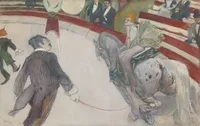
Henri de Toulouse-Lautrec · 1887–88
From $90
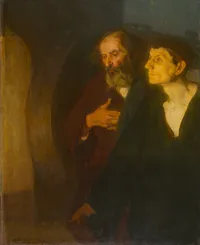
Henry Ossawa Tanner · c. 1906
From $80
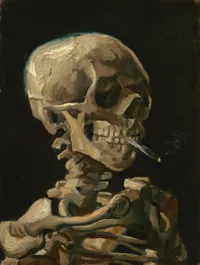
Vincent van Gogh · 1884
From $80
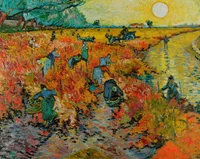
Vincent van Gogh · 1888
From $80
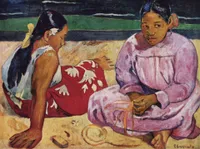
Paul Gauguin · 1890
From $80
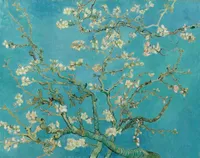
Vincent van Gogh · 1890
From $80
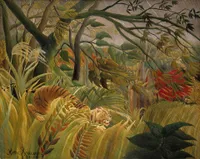
Henri Rousseau · 1891
From $80
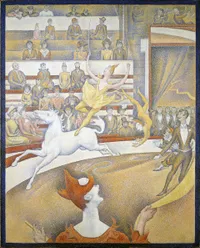
Georges Seurat · 1891
From $80
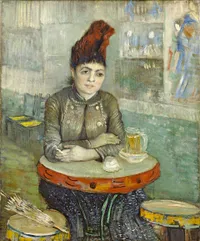
Vincent van Gogh · 1887
From $80
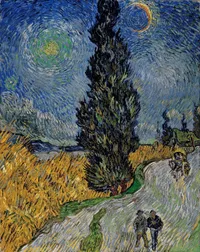
Vincent van Gogh · 1890
From $80
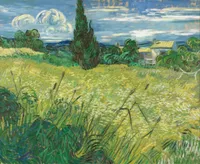
Vincent van Gogh · 1889
From $80
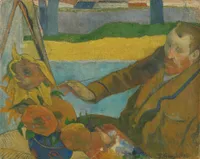
Paul Gauguin · 1888
From $80
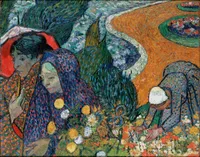
Vincent van Gogh · 1888
From $80
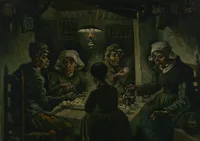
Vincent van Gogh · 1885
From $80
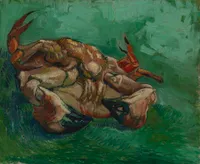
Vincent van Gogh · 1887
From $80
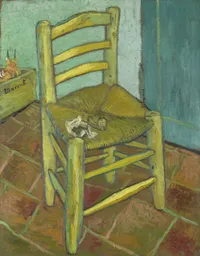
Vincent van Gogh · 1889
From $80
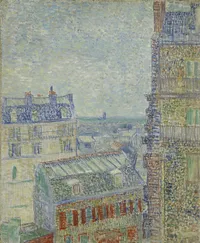
Vincent van Gogh · 1887
From $80
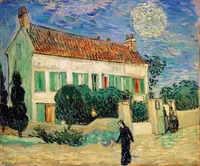
Vincent van Gogh · 1890
From $80
Before you explore
We use cookies for analytics, heatmaps and session recordings, so we can see what visitors love and keep making the gallery better. Anything you type stays private. You can change your choice at any time in our privacy policy.